
Light Up the Moment: Why Crowds React the Way They Do
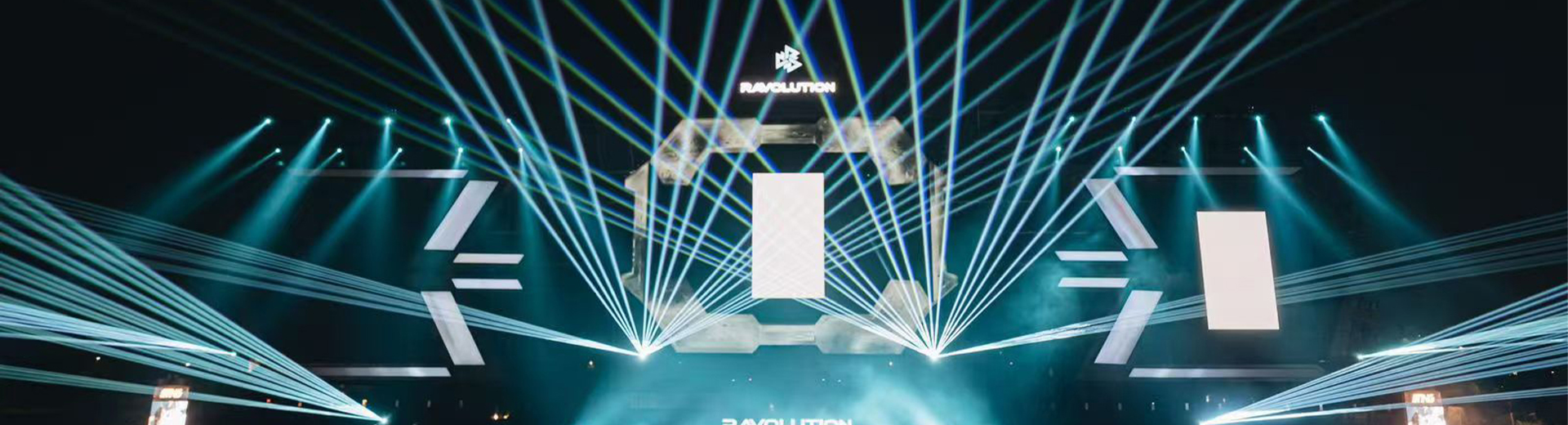
Here’s the truth: a show rises or falls in the first 30 seconds. Laser lights cut through haze, snap the room to attention, and set the mood before the first chorus. Picture this: you step into a packed arena, fog rolling low, and crisp beams draw clean lines over your head—like a coach’s whistle for the eyes. Most surveys say visuals drive recall for well over half the crowd, often beating audio for memory. With lasers for light shows, that effect gets even stronger, because beam divergence stays tight and motion feels precise. Yet here’s the kicker: many rigs still miss the mark due to tiny delays and drift you can’t see on a spec sheet. So ask yourself, are you trusting luck or the real tech under the hood?
I want you to think like a pro and move like an athlete. In lighting, “form” equals optics and control. Power converters, DMX routing, and thermal limits all shape what the audience feels. If the galvanometer scanners heat up, patterns go soft. If your safety interlock is clumsy, you lose pace. (No one claps for slow.) The crowd won’t know the terms, but they’ll feel the difference—funny how that works, right? Let’s stack the old way against the next wave and see where the wins are hiding.
The Hidden Flaws in “Good Enough” Rigs
Why do great specs still disappoint?
Look, it’s simpler than you think. Traditional rigs often look fine on paper, yet fail in motion. The issue lives in the chain: optics, scanners, control, and heat. Cheap optics boost beam divergence; patterns look blurry at distance. Galvanometer scanners drift when the duty cycle gets heavy, so circles turn into eggs by the second chorus. Old ILDA lines can add noise, while basic DMX control starves you of speed and nuance. Add a warm enclosure and now you’ve got thermal drift that pushes beams off aim. None of this shows up in a glossy brochure— and yes, that matters.
There’s also the “silent squeeze.” Power converters that sag under load clip your brightest frames. Firmware with low modulation frequency makes color stepping harsh. An IP rating that’s too low for outdoor grime invites downtime, not drama. And if your safety interlock is either oversensitive or too crude, you either kill the mood or risk compliance headaches. The crowd only notices one thing: flow. When geometry stutters or colors snap, they feel it as stress. You can call it “micro-latency,” “thermal creep,” or “optical path loss,” but the result is the same—a gap between promise and impact.
What’s Next: Principles That Make Beams Cleaner, Safer, Smarter
Real-world Impact
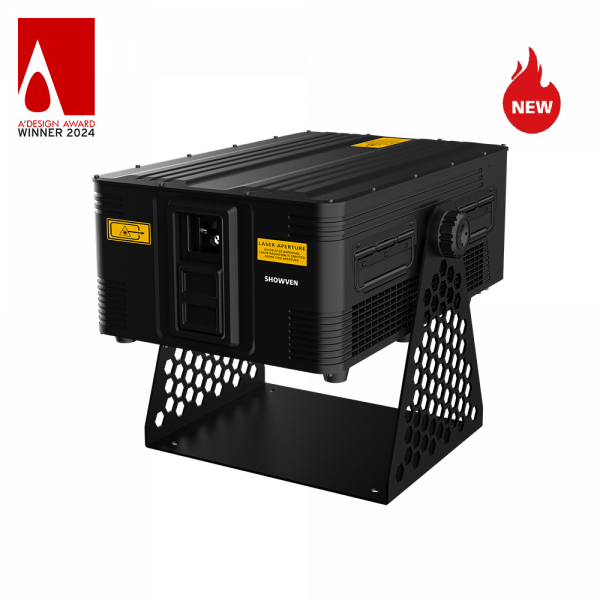
Now let’s compare old habits with new principles. Modern control swaps guesswork for feedback. Smarter galvanometer drivers use tighter PID profiles with predictive filtering, so shapes hold under heat. Temperature-compensated optics keep alignment stable as output climbs. Edge computing nodes near the truss cut network latency, while Art-Net or sACN streams keep frames smooth. The result: crisp geometry at distance and calmer colors at speed. A laser light display projector that marries fast scanners with clean power stages will hold lines sharp even in tough rooms. Not magic—just better engineering.
Design shifts help outdoors too. Sealed IP65 housings block dust and spray. Smart fans track duty cycle and adjust airflow to prevent thermal drift. Safety gets smarter with zoned interlocks and real-time attenuation, so creative looks stay inside safe cones without killing the vibe. Firmware with higher modulation frequency smooths fades; analog modulation avoids harsh steps. Put it together and you get a show that feels intentional, not accidental. The audience senses confidence. The operator breathes easier. And your crew stops ninja-fixing mid-show—funny how that works, right?
How to Choose: Three Metrics That Matter
Go from guessing to measuring. Use these three checks before you lock in a rig. 1) Scan integrity under heat: compare geometry at minute 1 and minute 20; look for drift and wobble. 2) Optical efficiency at distance: measure beam diameter and brightness at your longest throw; watch for divergence creep. 3) Control latency and color smoothness: stress-test your frame rate, then check modulation quality for clean fades and no stepping. If a system clears those bars, you can trust it to carry a room—night after night. For deeper benchmarks and practical build choices, keep an eye on leaders like Showven Laser.