
The Piazzas, the Coast, the Choice
You roll into a calm seaside road at dusk, the air warm and the engine a soft drum in your chest. Your vintage cruiser settles under you like an old friend, steady in the lane and proud in the mirror. In local club logs, more than half of riders say the sound and stance matter as much as top speed, sometimes more. And here is the pinch: you want soul, but you also want comfort that lasts the day (va bene, both can live together). So what separates the keepers from the garage queens, the bikes that call you back from those that wear you down?

Let’s make it simple and honest. The most loved classics blend look, feel, and fit—plus small, smart tweaks that reduce fatigue. Wheelbase, rake, and basic gear ratios shape every slow turn and long straight. Yet we often choose by paint and patina alone. Why do some machines feel sweet at 60 km/h while others buzz your hands numb? What small choices in setup change the whole drive home? Keep those questions close, because the answers set up the deeper story right ahead.
Under the Tin: Hidden Bobber Pain Points You Can Actually Fix
What trips riders up?
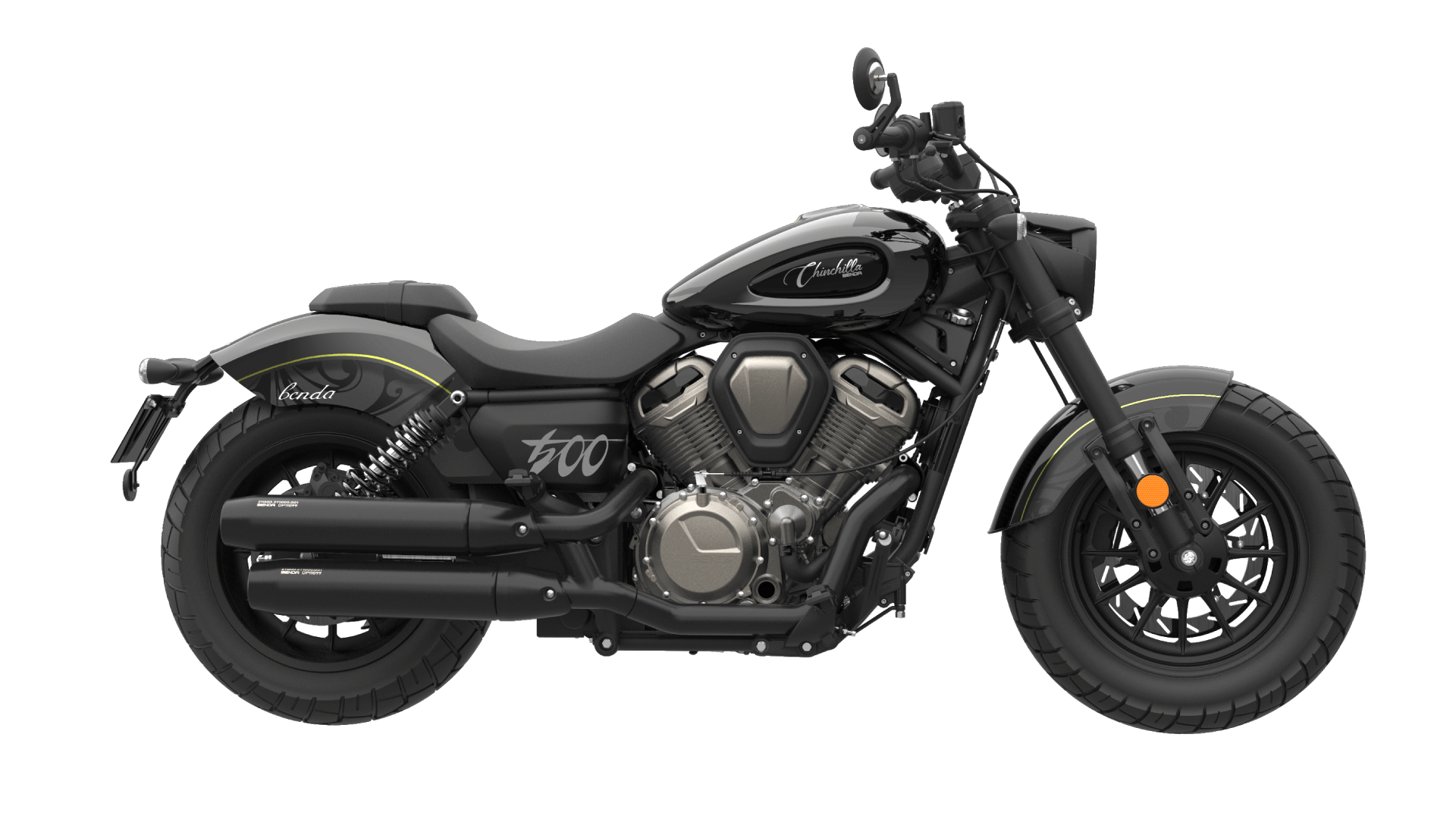
When riders slide from a cruiser to vintage bobber motorcycles, three quiet issues show up fast: reach, heat, and rebound. A bobber’s shorter wheelbase and steeper rake and trail make a street feel lively, but also twitchy on bad pavement. Carburetor jetting that feels bold at idle can go lean on a long pull, and the torque curve may spike in mid-range, which tires the hands in stop‑and‑go. Vibration damping can be thin if the seat pan is stiff and the bars are rigid. Look, it’s simpler than you think: adjust touch points first, tune fuel and breath next, and only then blame the frame.
From Part 1 we framed feel and fit; now we name the culprits. Mid controls that are a thumb-width off change knee angle and back strain—funny how that works, right? Soft fork oil can dive hard under braking, while a tight chain amplifies chatter over city seams. Small steps help: set sag to rider weight, check swingarm bushings, map throttle for a smoother first quarter turn, and verify carb needles before chasing bigger hardware. None of this kills the vibe; it just lowers noise in the ride. Technical, yes, but human in result—less buzz, more grin, and a bike that invites an extra loop around the block.
From Nostalgia to Next: How Tech Quietly Elevates the Ride
What’s Next
The good news is clear: classic style now pairs with calm, modern flow. New damper valves tame rebound without losing road feel, and light rotors sharpen braking with less hand effort. Swapping in a smarter regulator‑rectifier stabilizes the lighting circuit, so gauges don’t flicker and the battery lives longer. On many vintage motorcycles, cleaner fuel mapping—whether by a jet kit or a mild injection tune—flattens the low‑rpm surge that once made city rides a chore. Add a seat with layered foam and a kinder cam profile, and you keep the heartbeat without the headache. Small science, big smiles.
So we compare, and we look forward. Cruisers give you glide; bobbers give you spark; the best builds blend both through setup and tiny tech. Here is a simple way to choose well, based on what we learned: 1) Fit first—measure reach, bar height, and set sag to match your weight and usual speed. 2) Response profile—test the first 25% of throttle and low‑speed stability; a friendly curve beats a sharp hit. 3) Service path—confirm parts access for brake pads, jets, and dampers, plus a shop that can check alignment and rake. Keep your taste, trim the strain, and let the road feel like home—because that is the point. For a grounded reference point and model details, see BENDA.