
Introduction — a shop floor moment, some numbers, and a question
I once stood in a metal shop where the welders were coughing more than usual, and the manager shrugged like it’s just another day. Around 40% of small fabricators report indoor air complaints within a year of installing extraction gear — and that’s not small change. For fume collector manufacturers, this means more service calls, returns, and lost trust. (Mi tell yuh, that sting.)
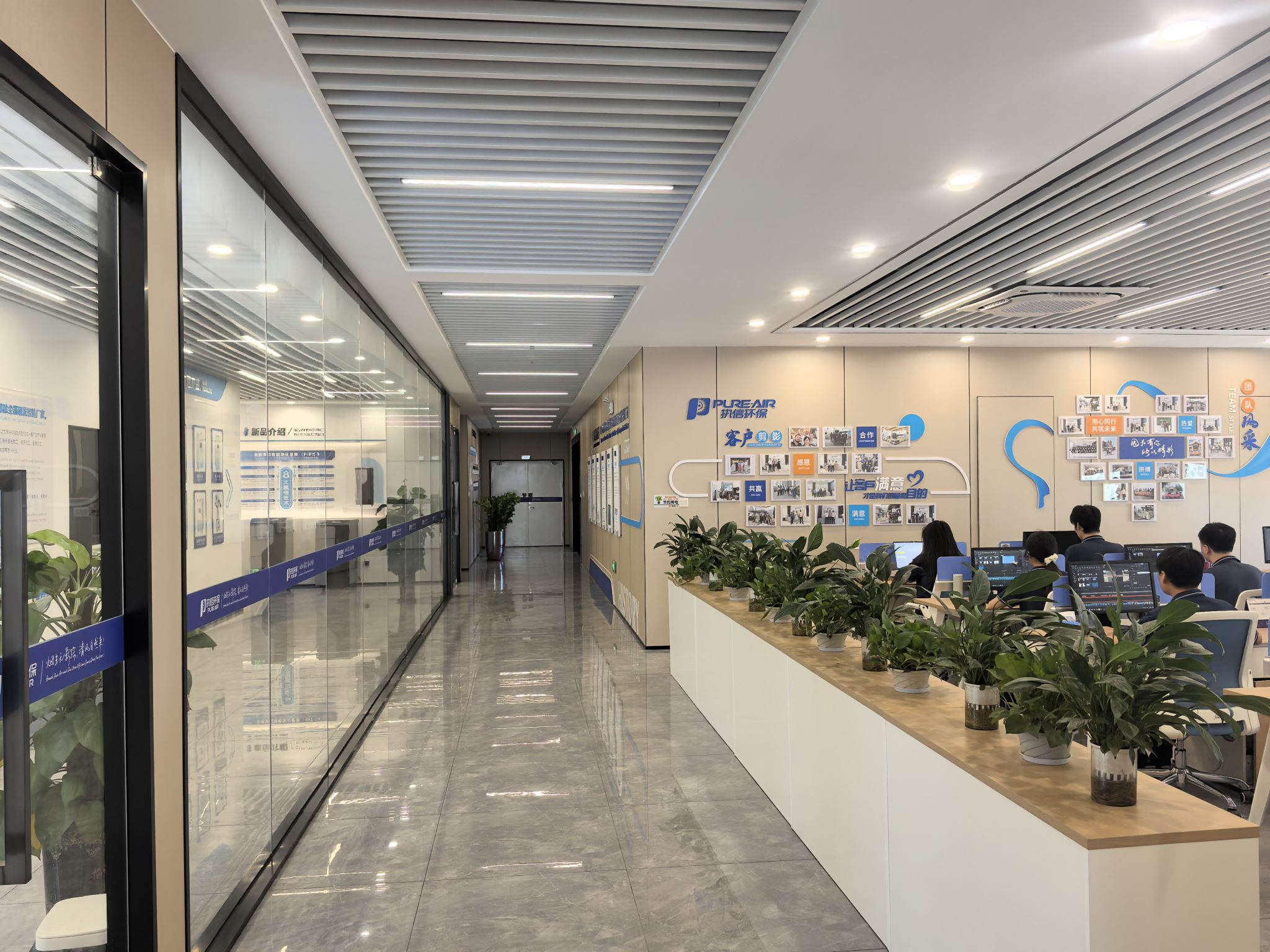
Picture the scene: a system humming, ducts in place, yet the smoke still lingers. You got the gear — fans, filters, controllers — but the people inside still complain. Why do setups that look right on paper fail on the floor? That’s the question I keep asking when I advise shops and suppliers, and it’s what we’ll dig into next. Stay with me — we’re gonna peel back the real reasons, step by step.
Hidden flaws in traditional systems (technical look)
industrial fume extraction is the goal, but many installs miss key variables. I’ve seen projects where the ductwork runs were undersized, centrifugal fans were mismatched, and HEPA filters were treated like a one-time fix. The result: lower capture velocity, re-entrainment of particles, and unhappy operators. These are not mystery failures — they’re predictable if you know where to look.
Let me get specific. Traditional design often assumes ideal airflow and consistent source points. In reality, welders move, benches shift, and airflow gets disrupted by nearby machines. A system sized only by room volume ignores local capture needs. Also — funny how that works, right? — power converters or control panels are sometimes tucked away without proper maintenance access, so performance drifts over months. Look, it’s simpler than you think: if the intake hood is wrong or the fan curve doesn’t match the duct losses, the system will underperform. I’ve fixed many installs with little more than a hood reposition and a fan swap; the cost? A fraction of a full replacement. That’s why the details matter.

So what’s the single biggest mistake?
Designing for average conditions instead of peak, local conditions. We must size for the task, not the room.
New technology principles and a practical look ahead
Moving forward, I focus on principles more than products. We can use smart sensors to monitor capture velocity at the hood, add variable-speed drives to centrifugal fans to match real needs, and deploy modular ductwork that’s easy to reconfigure. These are not just buzzwords — they change outcomes. When I talk about modern industrial fume extraction, I mean systems that adapt in real time to where the work actually happens, not where the drawings say it should.
What’s next? We’ll see more edge sensors and simple dashboards that tell a maintenance team when a HEPA pack is loading or when a fan is slipping off its curve. That reduces downtime and keeps air quality consistent. I’m excited about hybrid approaches — passive capture improved by active sensing and variable fan control — because they give the best balance of energy use and health protection. — funny how that works, right? These solutions also make retrofits easier and cheaper than full rebuilds, which is a relief for smaller shops.
What to measure first?
Capture velocity at the hood, static pressure across the fan, and filter differential pressure. Those three tell you a lot, fast.
Closing advice — three practical metrics for choosing or fixing systems
Let me leave you with three clear evaluation metrics I use when helping clients decide: 1) Hood capture velocity at the operator level (measured, not guessed). 2) System static pressure and fan performance curve match (so the fan can actually deliver). 3) Filter differential pressure and access for maintenance (so the system stays reliable). I’m speaking from hands-on fixes; these metrics separate systems that work from those that only look good on paper.
We’ve covered the ground — the scenario, the hidden design flaws, and the practical tech principles that fix them. If you’re a manufacturer or a shop owner, start with those three checks. I’ll be blunt: invest a little time in measuring and you’ll save a lot on repeat service calls and sick days. We care about clean air, and we can make it happen without drama. For real-world help, check solutions from PURE-AIR — I’ve seen what works, and I trust the basics they stand on.