
Introduction — a small scene, some numbers, a question
I was debugging a noisy lab motor last week — the kind that hums and refuses to behave when you need it to be precise. In many workshops and small factories, a motor controller sits at the heart of problems like that: jitter, heat, unexpected trips. Recent shop-floor audits show that up to 40% of performance complaints trace back to control tuning or poor integration with power stages (sim, I checked the logs). So how do we spot the real growth opportunities in these setups — not the flashy ones, but the practical fixes that keep machines running and teams less frazzled?

I want to keep this short and useful. We’ll look at common pain points, the limits of traditional fixes, and a few forward-looking options you can test without breaking the bank. Vamos lá — let’s go from noise and guesswork to clearer choices, step by step.
Deep Dive: Where traditional electric motor solutions break down
electric motor solutions often promise smooth upgrades — but many implementations still lean on old assumptions. In my experience, installers and engineers default to larger power converters or higher-rated inverters when performance dips. That band-aid can mask the real issue: poor control loops and mismatched feedback. Field-oriented control and PWM tweaks are not magic bullets if the feedback sensors or wiring are subpar. Look, it’s simpler than you think — sometimes the sensor placement is off by a few centimeters and the whole control loop misreads torque demand.
Why do systems still falter?
Here’s a technical look: legacy controller firmware may sample current and velocity too slowly, leading to lag and oscillation. Add noisy cabling and you get false trips or aggressive fault responses. I’ve seen systems where the thermal model is optimistic — the controller assumes symmetrical cooling, but in the real cabinet there’s a hot zone right above the converter. That mismatch causes derating or shutdown under load. From my point of view, the industry leans on higher ratings instead of fixing root causes — and that drives unnecessary cost and longer downtime.
Forward-looking view: practical principles and real-world outlook
What’s next? I prefer a pragmatic mix: incremental control upgrades plus better system visibility. For future projects, I’d prioritize smarter telemetry and modest firmware updates to get better torque control and fault handling without rip-and-replace. For example, adding a small edge computing node for local diagnostics can reveal patterns in startup current spikes or intermittent sensor noise — and that insight often points to inexpensive fixes. (— funny how that works, right?)
Case in point: we retrofitted a medium-speed line with modest firmware tuning and an improved sensor harness, then added remote logging. The result: smoother starts, fewer trips, and a measurable drop in cycle time variance. If you’re evaluating next steps, consider the basics first — wiring, grounding, sensor calibration — then step up to better control strategies like adaptive PID or field-oriented control as needed. Also, don’t forget to test under real load, not just on a bench. — short, but vital advice.
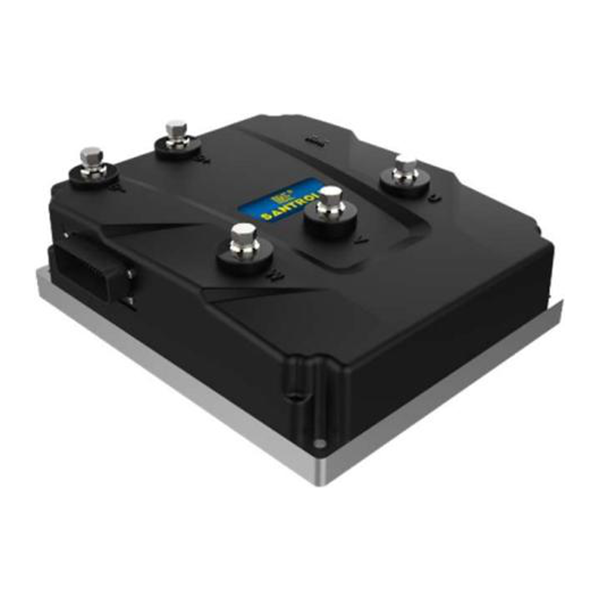
Actionable closing: three metrics I use when choosing motor controller options
We want choices that show results. Here are three evaluation metrics I use every time:
1) Response stability: measure settling time and overshoot during a standard torque step — lower is better. 2) Thermal headroom: check actual temperature rise under duty cycle; note how much margin remains before derating. 3) Diagnostic clarity: how much actionable fault data does the controller provide? If you can’t tell whether a trip is from sensor noise or genuine overcurrent, you need better telemetry. Use those metrics together — they tell a far clearer story than vendor specs alone.
Finally, if you’re researching specific hardware, consider an ac motor controller that balances solid firmware with good diagnostic outputs. I’m convinced that pragmatic steps — small tests, clear metrics, and focused upgrades — beat big, expensive swaps most of the time. For tools, parts, or a look at reference modules, check Santroll at Santroll. I say that from hands-on experience: start small, measure better, scale smartly.