
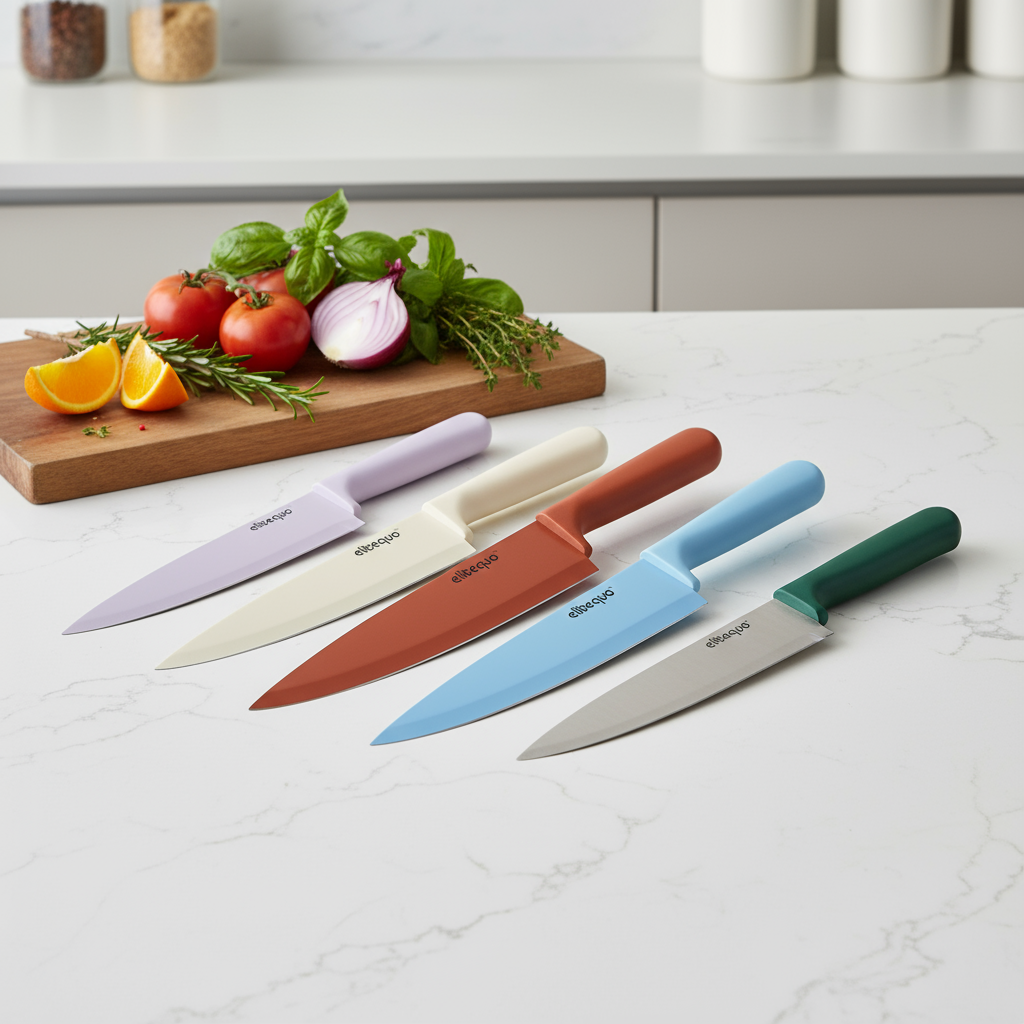
Imagine you’re in your kitchen, eager to whip up a delicious meal. You reach for your favorite chef knife, but frustration creeps in. Studies show that many cooks encounter difficulties with cutting precision and safety due to poor knife design. If you ever wondered how a simple tool—a chef knife, for instance—could transform your cooking experience, this article digs deeper into those pain points.
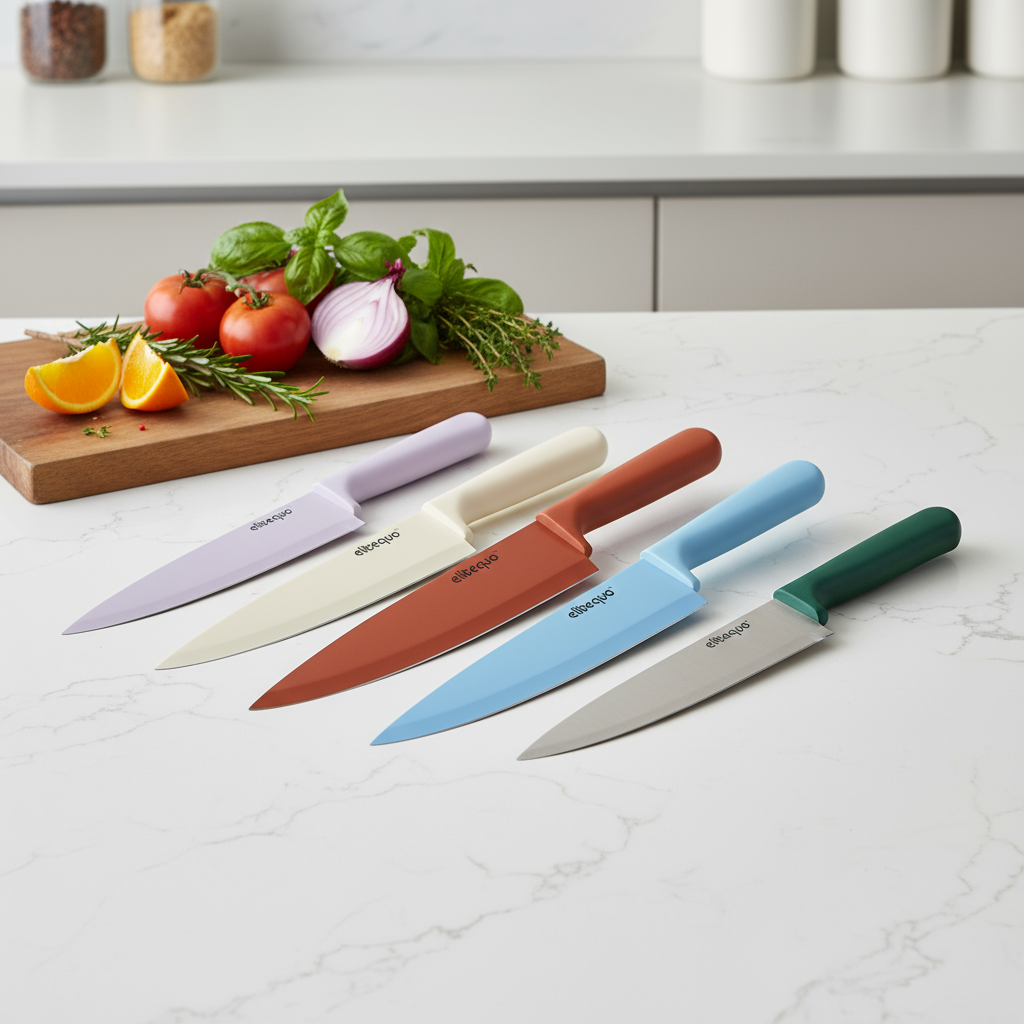
Common Flaws in Traditional Chef Knives
Using a poorly designed chef knife can quickly turn into an uphill battle. Many traditional knives are either too heavy or too light, affecting your control while slicing through vegetables or meats. Just recently, I heard a friend complain about his old knife that caused him to apply more pressure while chopping. That often leads to uneven cuts and even accidents! This is a common issue—many users don’t realize how a well-crafted 8 chef knife can alleviate these challenges.
How Do You Choose the Right Knife?
Choosing the right chef knife isn’t just about looks or price. You need to consider materials, weight distribution, and grip. I recall a workshop we had last summer where we let users test different knives. The satisfaction of finding the right balance in a knife’s weight was evident on everyone’s faces. When selecting an 8 chef knife for your kitchen, take the time to hold and feel the tool. Your safety and cooking experience depend on it!
What’s Next in Chef Knife Innovation?
As we look towards the future, innovations in chef knife technology are promising. The introduction of ergonomic designs and advanced materials means less hand fatigue. Exciting developments are on the radar; the new knives focus on improving grip and preventing slippage, making cooking safer and more efficient. Just imagine chopping herbs without the fear of a slip-up! The right 8 chef knife can elevate your cooking game and bring joy back into meal preparation.
Real-world Impact of Choosing the Right Knife
From my experience, chefs and home cooks alike notice a drastic change in kitchen dynamics when they invest in a quality knife. I’ve seen kitchens turn chaotic when users reach for dull, unbalanced knives. A sleek, precision-made knife, however, brings about a smoother workflow—less time fussing over ingredients equals more delicious meals. This is why investing in a solid chef knife is money well spent!
In conclusion, recognizing the hidden pain points in using chef knives allows for more informed choices. Remember, your knife should enhance your cooking and not hinder it. When selecting your next tool, I suggest using these three evaluation metrics: weight balance, grip comfort, and blade sharpness. Keep your kitchen adventures exciting by opting for a quality knife that suits your style. Happy cooking with Elitequo! You won’t regret it!