
Introduction — a quick scene, some numbers, and a question
I was on a plant floor once where a single spark could mean hours of downtime or worse. In that tense air, a non sparking adjustable wrench sat in the hands of a technician — a small change with big promise. Recent field reports show tool-related ignition incidents drop by up to 60% when teams switch to non-sparking alloys, and productivity gains of 10–15% are commonly reported in maintenance cycles (even in hours that used to be lost to safety checks). So, are these wrenches really the practical fix for both safety and speed in hazardous area work?
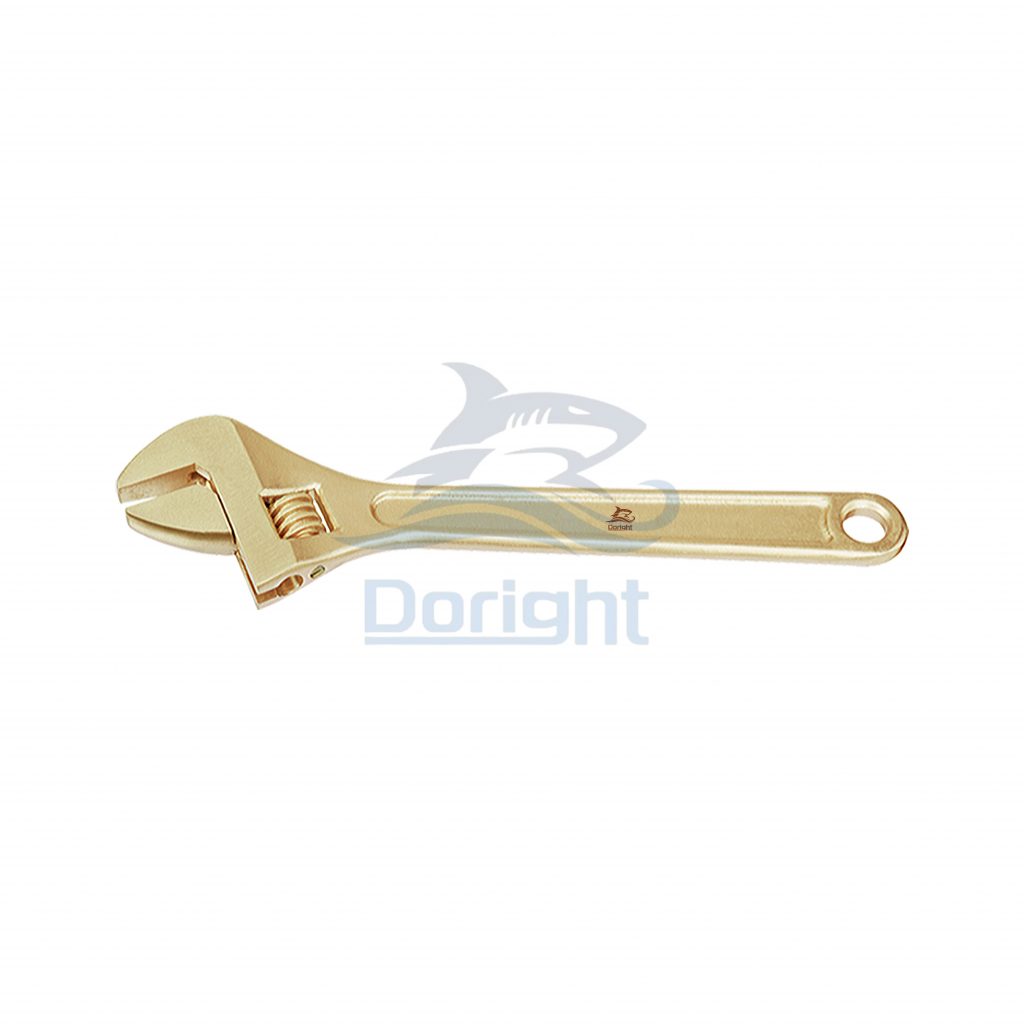
I want to break that down simply: what happens when you trade a standard steel adjustable wrench for a tool engineered for intrinsic safety and reduced conductivity? We’ll look at how design choices affect torque control and corrosion resistance, and whether certification (ATEX or equivalent) actually matches on-the-job needs — then move into where the real trade-offs hide. Ready to dig in? Let’s go — I’ll walk you through the details step by step.
Part 2 — Technical breakdown: where traditional tools fail and why
Beryllium bronze explosion-proof wrench is often offered as the premium solution, but to understand its place we need to parse a few mechanics. First: conductivity and spark potential. Traditional steel wrenches have higher electrical conductivity and, under impact or slip, can generate hot friction points. That triggers ignition in environments with vapors or dust. Second: material fatigue and corrosion resistance. Regular alloys corrode faster in moist or chemical-laden atmospheres, leading to unexpected failures and loss of torque control. I look at these as linked problems — safety and uptime.
Technically speaking, non-sparking alloy selection matters. Beryllium bronze and other copper-nickel blends lower spark risk through energy-absorbing microstructures while still offering usable hardness. But there’s a catch: some non-sparking metals trade off tensile strength for safety, which can reduce useful torque range. Look, it’s simpler than you think — you must match wrench hardness to the job. From my experience, inspections that include torque verification and visual checks (plus ATEX-style hazardous area classification awareness) close most of the gaps. Also: maintenance habits change — and that’s part of the solution, not just the tool. — funny how that works, right?
What’s the biggest operational pain?
It’s the hidden downtime. Teams expect a tool swap to fix everything. But without updated procedures (calibration, inspection, and training on intrinsic safety), the gains shrink. I’ve seen crews gain safety but lose speed because they weren’t comfortable applying the right torque with a softer alloy. That’s the user pain point often left unspoken.
Part 3 — New technology principles and practical choices
Looking forward, I focus on principles rather than brands. New tool design leans on hybrid materials and surface engineering to keep spark suppression without sacrificing strength — think layered non-sparking alloys with hardened jaws. That’s the kind of principle that lets you keep consistent torque while reducing spark potential. Another principle is modular inspection: simple handheld conductivity checks, coupled with periodic torque audits, keep tools reliable in hazardous area operations. We should also consider supply-chain uptime: having certified spares reduces the temptation to use the wrong tool when pressure mounts.
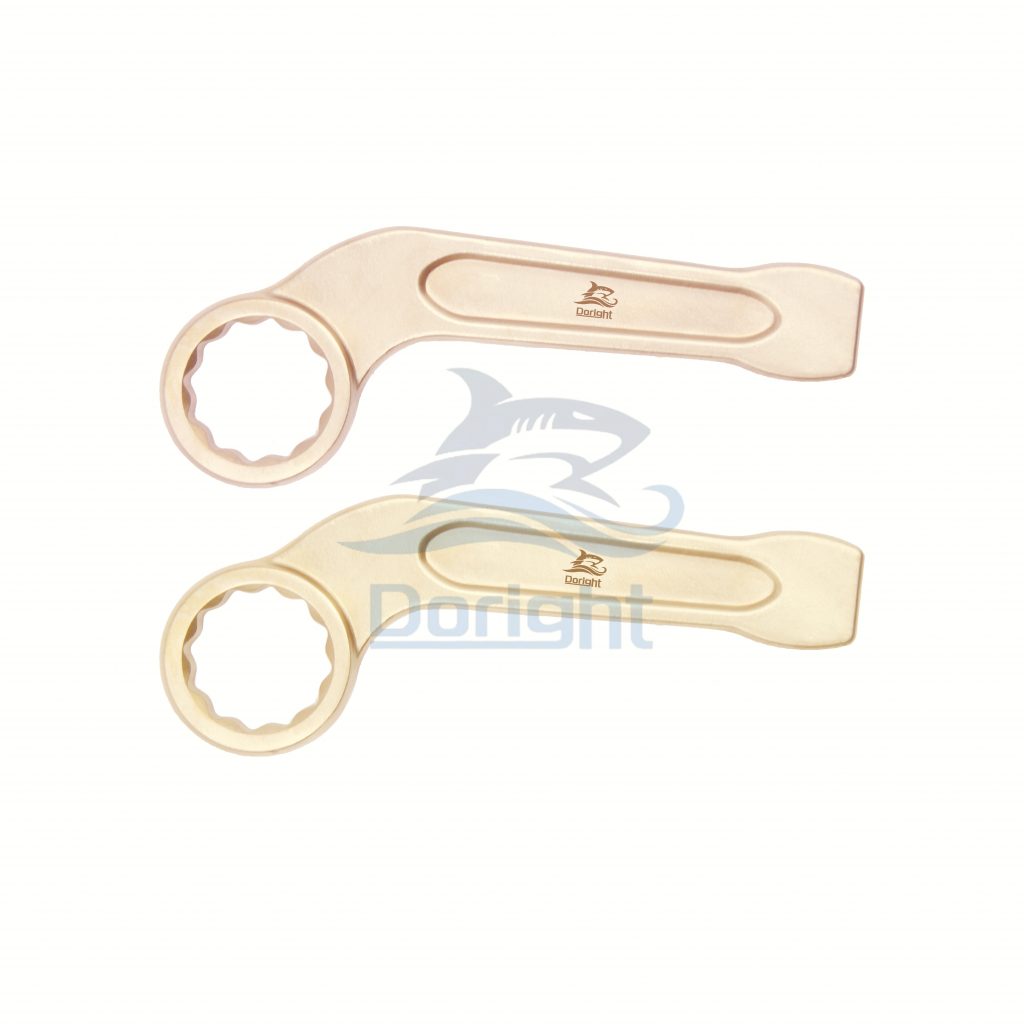
For real-world selection, I often compare options side-by-side. For instance, a modern copper-based solution like the copper adjustable wrench non-sparking can balance corrosion resistance and safety at a reasonable cost. Yet you must weigh that against required torque, ambient chemicals, and certification needs. In short: match material properties to the hazard profile and train crews to treat the tool as part of a system — not a one-off fix.
What to measure next?
Here are three evaluation metrics I recommend when choosing a non-sparking adjustable wrench:
1) Spark potential under load — measured in controlled drop or friction tests. 2) Usable torque range — confirm the tool can safely deliver the needed torque without deformation. 3) Long-term corrosion resistance and maintenance needs — how often will the wrench need calibration or replacement? These metrics give you measurable results and cut guesswork.
In closing, I’ll say this from experience: tools matter, but procedures matter more. If you pair the right non-sparking alloy with clear inspection routines and crew training, you’ll see meaningful safety gains and real productivity improvements. For reliable options and further specs, I turn to trusted suppliers like Doright.