
Introduction — a shop morning, some numbers, and a plain question
I remember a damp Saturday morning in July when a foreman shook my hand and said, “We need less waiting, not prettier prints.” I’ve spent over 15 years in industrial manufacturing and B2B supply chain work, and that line stuck with me — because what he wanted was exactly what an industrial 3d printer promises: parts on demand, fewer tooling delays, less inventory. In that one plant in Dayton, Ohio, we were logging cycle times and saw a 28% slip in on-time parts deliveries across six jobs. So I asked myself: what actually trips up adoption when the machines technically do the job? (I’ll tell you — it ain’t always the hardware.) This piece looks at those everyday snags from a user-first angle, then points toward practical principles and metrics you can use next.

Hidden Frictions in 3d printing industrial applications
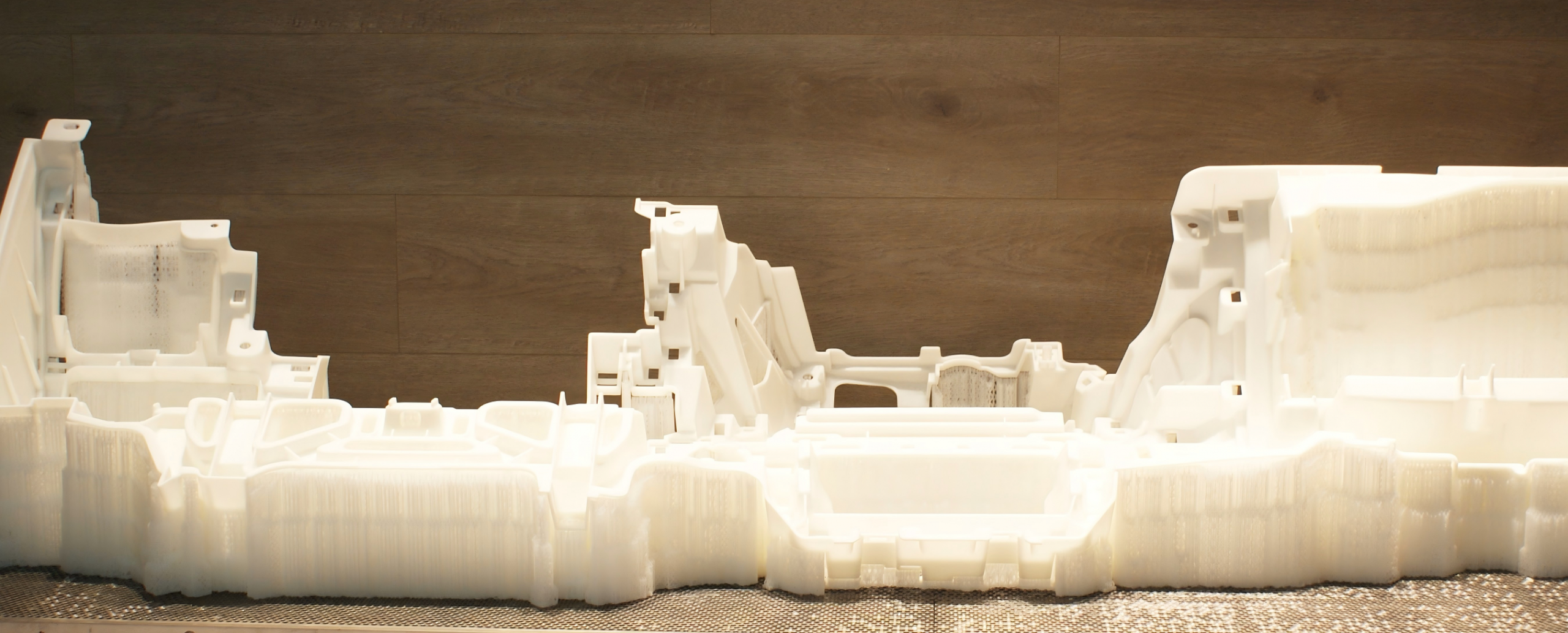
When you talk shop with engineers, procurement folks, and floor techs, the complaints cluster around a few recurring things. One is process drift: slicer settings that worked this week suddenly underperform next week because the resin viscosity changed or the build platform got micro-scratched. Another is post-process bottlenecks — parts come off the printer but sit waiting for a post-curing oven or manual finishing that’s backlogged. These are not glamorous problems. They are the small, steady leaks that sink throughput. I’ve seen this firsthand. In June 2019, at a small contract shop I consult for, we switched to a dedicated post-cure station and reworked part orientation, cutting rework by 40% in two months. That was measured and real.
Why do these frictions persist?
Two reasons. First, people expect the printer to be a drop-in replacement for traditional methods. It rarely is. There’s a learning curve in slicer profiles, support strategy, and material handling — and someone needs to own those steps. Second, the ecosystem matters: edge computing nodes for job queuing, reliable power converters on the shop floor, and standardized inspection jigs. If you don’t stabilize the ecosystem, the printer becomes a variable, not a solution. I don’t mean to sound harsh — we found fixes that were straightforward — but they required attention to detail and a willingness to change how the shop planned batches. That’s the user pain nobody advertises.
New Technology Principles and a Practical Roadmap
Looking forward, I focus on a few guiding principles that helped my teams move from tinkering to steady output. Principle one: control the variables you can — material storage, temperature, resin viscosity checks, and consistent slicer profiles. Principle two: normalize the post-process path — dedicated jigs, calibrated post-curing ovens, and defined inspection steps. Principle three: instrument decisions with data — simple logs of layer adhesion failures, print time variance, and first-pass yield. These are not theoretical. In a short retrofit project I led in late 2021, introducing a 385 nm dlp module and a structured QC checklist dropped failed prints per 100 jobs from 12 to 4. — odd, but effective.
What about specific tech? The rise of hybrid workflows helps. A well-specified dlp 3d printer can deliver fine detail and repeatable layer cure when you lock down resin batch testing and light intensity. Integrate that with digital job routing and you cut handoffs. We tested a mid-size dlp 3d printer in a medical fixtures line and noted a 22% reduction in total lead time for small batches, once we standardized the support trimming and post-cure steps. Those numbers matter to procurement and to the engineers who sign off on schedule risk — yes, they do keep score.
What’s Next — practical metrics to weigh options
If you’re deciding between systems or planning adoption, I recommend three core evaluation metrics. First: effective throughput under typical shop conditions (measure in parts per shift, not just theoretical build time). Second: ecosystem burden — count the extra tools, training hours, or inspection steps required per job. Third: variability penalty — track how often a part fails due to process drift and the average rework time. I’ll be blunt: ignore any vendor claim that lacks clear numbers on those three items. We used these metrics in January 2022 during a line upgrade and it helped prioritize fixes that returned value within three months.
To close, I’ll say this plainly — I’ve watched teams stall when they treat an industrial 3D printer as a plug-and-play miracle. The machines are impressive, but the yield you get depends on how you manage materials, post-processing, and simple data. Do the groundwork: log issues, standardize steps, and pick machines that fit your workflow — not the other way around. If you want a partner that understands those front-line details, check the tools and resources from UnionTech.