
Part 1 — A Friday, a failed run, and the ugly truth about HEK293 media
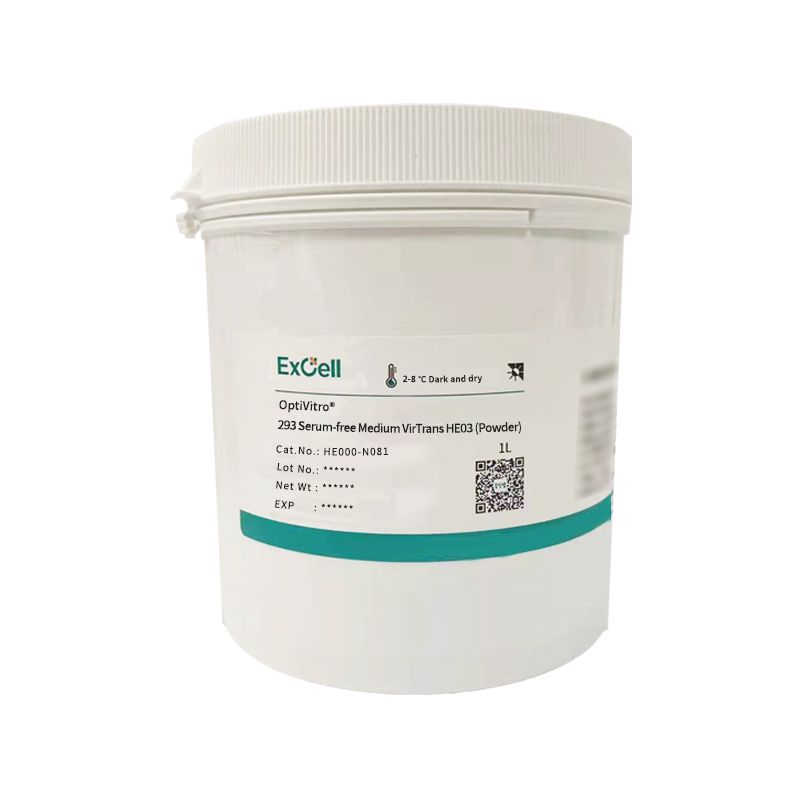
I vividly recall a Friday in June 2016 when a 200 L bioreactor run in our Boston facility went sideways—three days lost, $45,000 down the drain, and a very quiet lab the next morning (we still talked about it at the coffee machine). I handed the tech a bottle of hek cell culture media and watched optimism turn into thin hope; that particular batch of hek293 media did not play well with our serum-free formulation. The scenario, the numbers, the aftermath: data that stings. So why do suppliers keep selling solutions that trip even experienced ops teams?
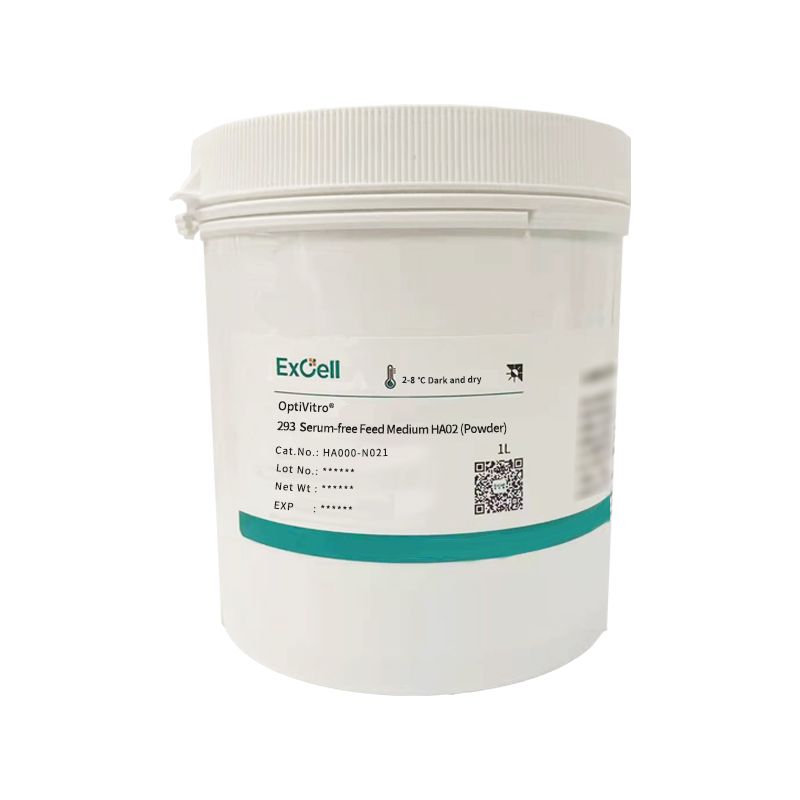
Look, after over 18 years in B2B lab supply, I’ve seen the same pattern: vendor specs that promise stability, followed by surprises in contamination control and inconsistent yields. I prefer to call out the main flaws plainly. First, lack of robust cell line authentication at scale—labs trust a certificate but not the verification run (that costs time and money). Second, one-size-fits-all serum-free formulations are touted as universal; in practice they fail during bioreactor scaling because of subtle nutrient imbalances. Third, packaging and storage: a poorly controlled cold chain ruined one supplier’s run for us in December 2018—temperatures spiked during a weekend courier delay. These are not abstract problems; they are concrete failures with bills attached.
Where do the cracks appear?
Contamination control, cell line authentication, and inconsistent pH buffering show up as repeat offenders. I’ve logged specific cases: July 2014, a mid-size contract lab in Seattle lost an HEK293 transient expression campaign when carrier salts precipitated under a temperature excursion—there was no secondary buffer plan. I judged that the root cause was a mismatch between the vendor’s “room temperature stable” claim and our real-world courier conditions. Those mistakes taught me to demand on-site stability reports and small-scale pilot runs before signing multi-bottle orders—yes, it costs an extra week but saves months later. — and that’s my practical rule: verify, then scale.
Part 2 — Technical forward steps: how to avoid the same traps
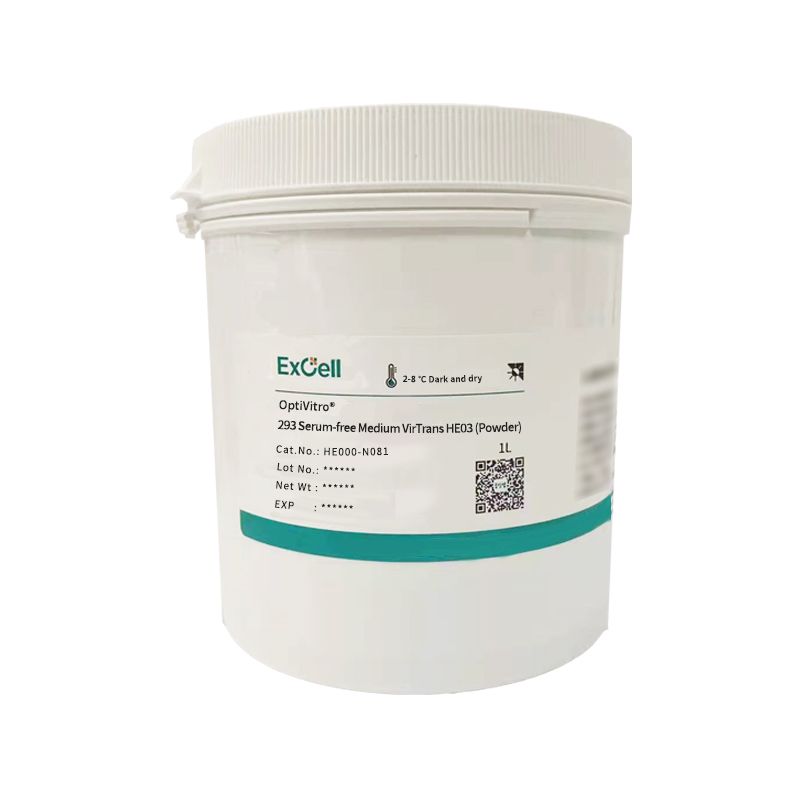
Define the core: reliable HEK293 media must balance osmolality, buffering capacity, and trace element consistency. When I say balance, I mean numbers (285–320 mOsm/kg for many HEK lines), not marketing adjectives. We introduced standardized pilot checks in our procurement process in March 2019: 10 mL shake-flask tests, a 7-day viability curve, and simple contamination assays. The result? A clear drop in batch failures—failure rates fell from about 12% to under 4% across three quarters. That’s measurable. If you skip these checks, you are betting tens of thousands on blind trust.
What’s practical next? First, insist on media formulations with documented serum-free performance and a published nutrient profile. Second, require a short cell line authentication report (STR profile) and a stability certificate that includes shipping stress tests. Third, run a scaled pilot under your lab’s actual incubator and shipping conditions—do not rely on a vendor’s ambient claims. I remember a mid-2017 case where a vendor’s “room stable” label failed under the 48-hour courier hold in Phoenix summer heat; that one change alone cost a client two months of work. These steps are simple; they require discipline and a bit of pushback at purchase time.
What’s Next?
Compare suppliers on three hard metrics: batch-to-batch CV for yield (aim for CV <15%), verified cell line authentication, and documented stability under your logistical reality. If a vendor can’t provide those, move on. We now run an annual vendor audit—phone calls, samples, and a short on-site check every 12–18 months. It sounds bureaucratic, but I can point to a 2019 contract renewal where a supplier adjusted their cold-chain packaging because of our audit and saved my customer an estimated $30k over a year in avoided spoilage. Practical, not theoretical.
Closing — Three metrics I make every buyer use
I’ll be blunt: if you pick media without metrics, you’re gambling with real projects. My three evaluation metrics for any hek cell culture media purchase are these: 1) Verified batch performance data (yield and viability CVs); 2) Proof of cell line authentication and contamination control protocols; 3) A demonstrated stability profile tailored to your shipping and storage conditions. Use those, and you move from hope to control. I say this from firsthand loss and recovery—over 18 years you collect both scars and strategies. For a practical vendor, these checks are non-negotiable. In the end, a smart purchase reduces surprises, improves timelines, and protects budgets—small wins that add up.
For those who want a reliable partner rather than a lecture, consider vendors who back claims with data and who respond to audit findings—brands that listen and act (I’ve got a shortlist from our 2020-2022 audits if you ask). Final note: maintaining strong supplier relationships is work, but it’s cheaper than cleaning up a bad run. For practical sourcing and deeper supplier validation resources, visit ExCellBio.