
First impressions and the user promise
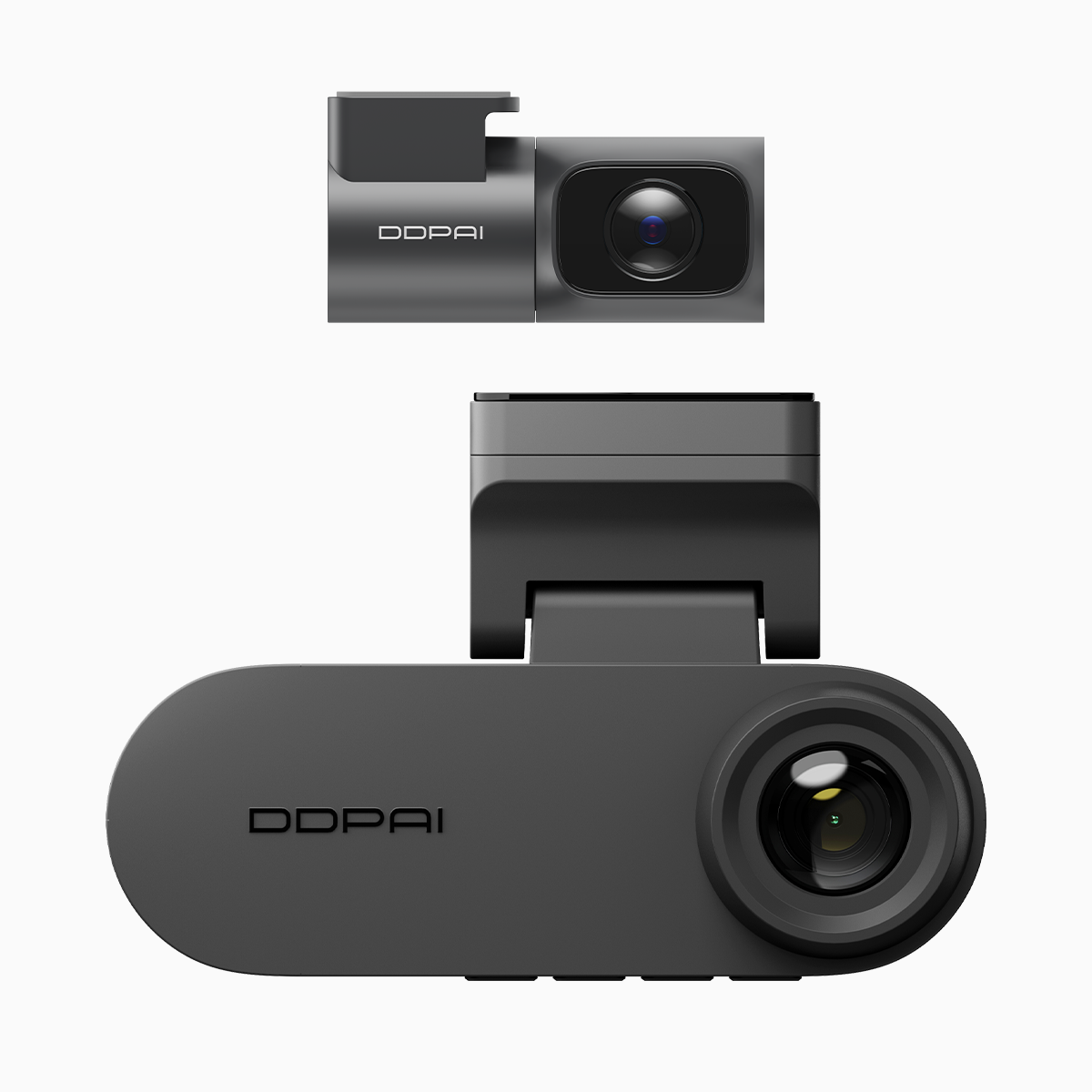
The moment you unbox the unit you sense it’s built for someone who wants solid evidence without fuss — clear video, quick app transfers, and a tidy install. For drivers in busy cities I recommend checking the dual dash cam with night vision as a point of comparison because it shows how dual-channel recording and low-light tech are becoming baseline expectations. The 3-view concept here centres the driver with a front, rear and cabin perspective, and that user-centric layout matters when you actually need footage that proves what happened.
Design, sensors and practical hardware notes
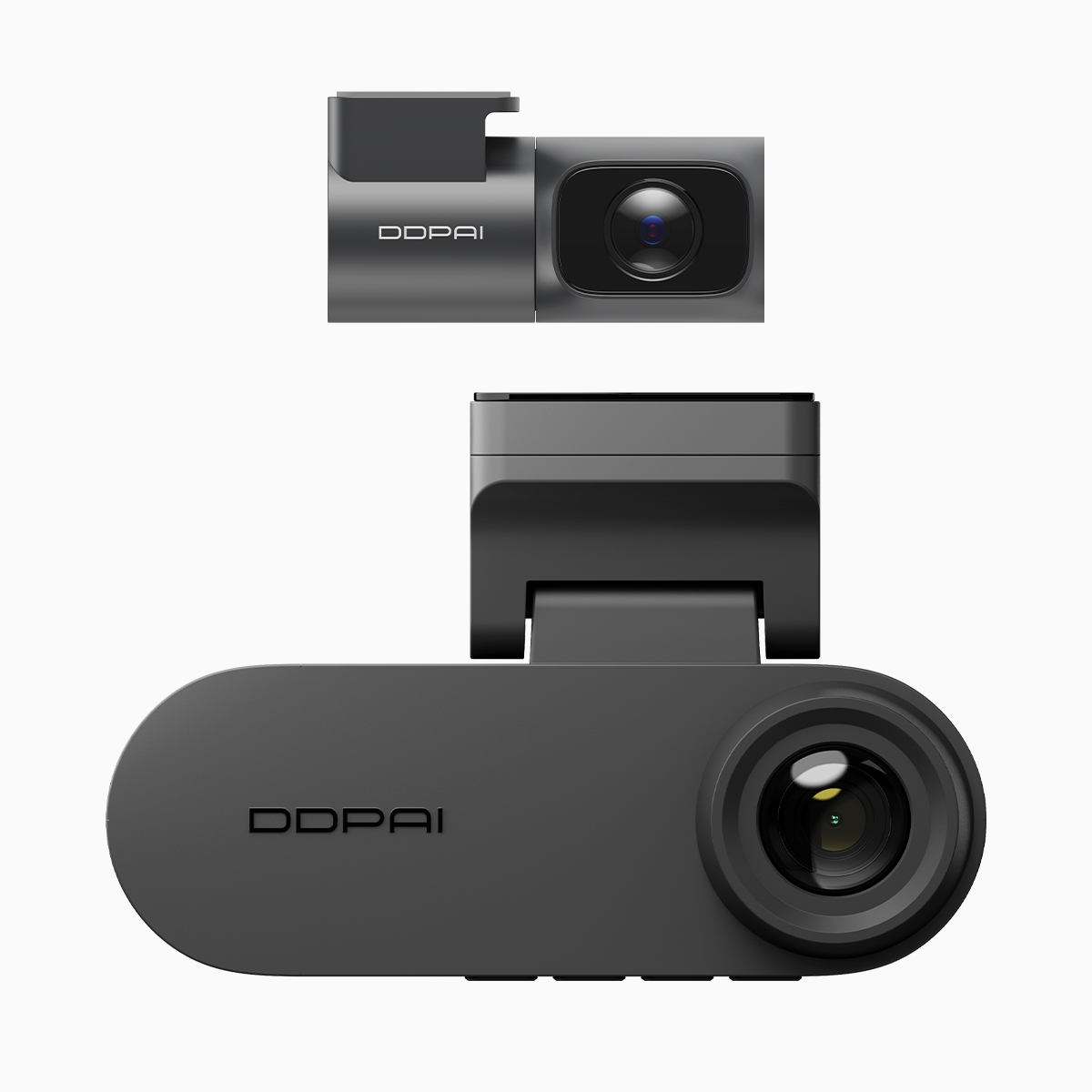
The body is compact, the mount unobtrusive. DDPAI uses a competent image sensor and a lens offering a reasonably wide field of view (FOV) so you capture lanes and licence plates without warped edges. Build quality feels robust — lekker solid. Pay attention to the power feed and microSD slot; they’re easy to access, which is a small win for busy users who swap cards or want to hardwire later. Terms like sensor size and FOV are the ones to watch when you compare models.
Video quality, night performance and real-world evidence
4K UHD front capture delivers crisp daytime footage with enough detail for plate legibility at moderate distances. HDR helps with high-contrast scenes — tunnels, backlit traffic. Night performance relies on a mix of sensor sensitivity and noise reduction; the cabin and rear channels use tuned low-light algorithms and night vision processing to keep faces and nearby objects visible. For drivers in Metro Manila or Manila Bay commutes, where heavy traffic and low-light intersections are common, that low-light capability is genuinely useful as corroborating evidence after an incident.
Connectivity and app experience: speed matters
Where this unit stands out is the 5GHz Wi-Fi pairing. Compared to crowded 2.4GHz bands, the 5GHz link reduces latency and makes file transfers far quicker — especially handy for moving high-bitrate clips without waiting ages. The mobile app supports quick preview, clip download and basic playback controls; pairing is straightforward and stable for the most part. Latency and bitrate are the two specs that dictate how smooth this feels, and DDPAI’s implementation tends to favour responsiveness over gimmicky extras.
Installation, everyday use and a short caveat
Install typically takes 20–40 minutes depending on a hardwire choice. Mounting position affects glare and FOV calibration, so get it right first. Memory management needs attention: set loop recording length and event overwrite thresholds to avoid filling the card mid-trip. Also—remember firmware updates. They can improve app stability or fix quirks, but users sometimes delay them and then wonder why an odd bug persists.
Alternatives and common mistakes
Compare this 3-view setup against simpler dual-channel options and single high-resolution front cams. Dual-channel models can offer comparable night vision at a lower price if you don’t need cabin coverage. Common mistakes: picking highest resolution without checking bitrate (results may be heavily compressed), and assuming Wi‑Fi range equals transfer speed — proximity matters. For buyers in the Philippines, the dash cam with night vision philippines variants illustrate how region-specific features like parking mode sensitivity and local app servers influence day-to-day reliability.

Advisory: three golden metrics to choose by
1) Evidence clarity — evaluate plate legibility at typical distances at both day and night; frame rate and bitrate are the measure here. 2) Transfer workflow — prefer 5GHz Wi‑Fi or wired backup to move large clips quickly; check app stability on your phone. 3) Operational resilience — battery or parking mode behaviour, plus firmware support, determines whether the device keeps working long term.
These metrics keep your choice practical and purpose-driven. The unit’s balance of 4K clarity, decent low-light handling and snappy 5GHz app transfers makes it a strong contender for drivers who need reliable footage without fuss. For a local, pragmatic fit that actually solves daily problems, consider how DDPAI’s features map to your routes and risks — and remember firmware and card management are part of the system. DDPAI Philippines. —