
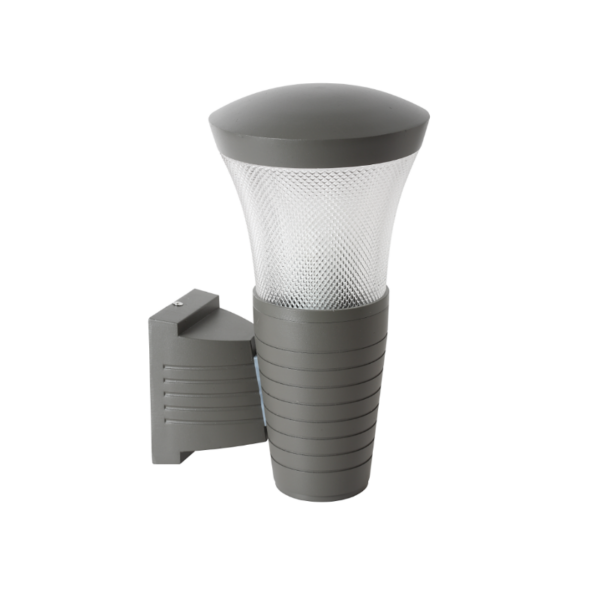
Opening the problem: why thermal management matters now
Bollard fixtures are everywhere in contemporary public realms, but their compact form factor masks a critical vulnerability: heat. When LEDs and drivers operate in confined enclosures they can reach elevated junction temperatures that accelerate lumen depreciation and shorten service life. That risk has real consequences for project budgets and uptime, which is why many specifiers now prioritize robust thermal design when selecting led outdoor lighting. The U.S. Department of Energy and other industry authorities note that thermal management is a primary determinant of LED reliability — and failing to address it turns what should be a low-maintenance asset into a recurring cost center.
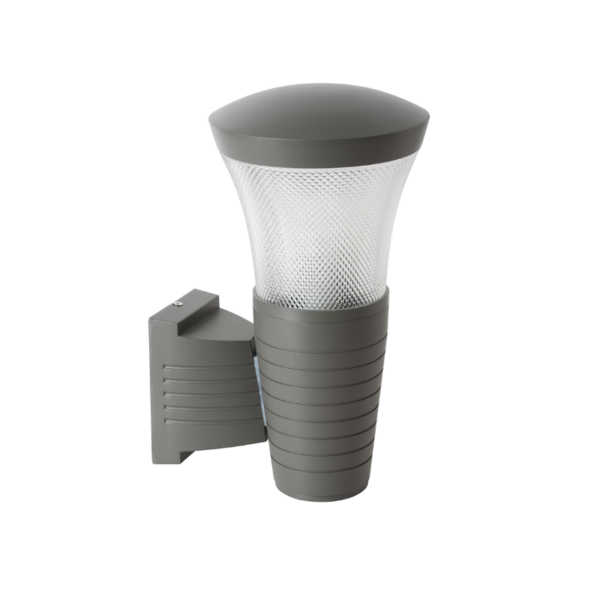
Common causes of overheating in bollard installations
Three installation realities typically create thermal issues: small internal volume, sealed enclosures for weather protection, and proximity to heat-reflective surfaces. Materials and finishes matter too; darker powder coats can increase surface temperatures, and tight IP-rated seals reduce convective cooling. Add long luminaire runtimes and higher correlated color temperature (CCT) specifications, and the fixture’s internal heat load rises faster than many designers anticipate.
How overheating shows up in the field
Consequences are measurable: accelerated lumen depreciation, premature driver failure, color shift, and increased warranty claims. Lumen maintenance drops disproportionately when junction temperatures exceed manufacturer limits, which can force early relamping or replacement. For municipal and commercial owners this means unplanned maintenance cycles and higher lifecycle costs — precisely the outcomes lighting programs aim to avoid.
What Keyida’s proprietary thermal dissipation system changes
Keyida’s approach targets the heat path rather than masking symptoms. Their system integrates optimized heat sinks, conductive thermal interfaces, and internal geometries that channel heat to the bollard’s exterior surfaces. Where many vendors rely solely on bulk metal bodies, Keyida engineers the internal thermal path to reduce junction temperature under rated load — a difference that preserves lumen maintenance and extends driver life. Designers will appreciate that this is accomplished without sacrificing IP integrity or aesthetic intent — and it’s done with materials and finishes selected for both thermal conductivity and corrosion resistance.
Why that engineering matters to specifiers and asset owners
Lower internal temperatures translate directly into predictable maintenance budgets and longer service intervals. For municipal programs and campus master plans, that predictability is critical to capital planning and lifecycle cost models. Specifiers gain confidence that photometric performance documented at project kickoff will persist through the first five to ten years of operation rather than degrade unexpectedly.
Field considerations and real-world anchors
Practical trials and retrofits demonstrate the point. In retrofit programs where designers swapped older bollards for thermally-optimized LED units, owners reported fewer driver replacements and improved lumen consistency over multiple seasons. This aligns with industry guidance: authorities such as the U.S. Department of Energy emphasize thermal controls as central to LED longevity. For coastal and high-humidity sites, thermal design paired with appropriate IP ratings and corrosion-resistant materials reduces dual risks from heat and environment — a combination that often pays for itself in reduced service visits.
Implementation tips and common mistakes to avoid
Use these pragmatic steps to keep projects on track:
- Specify junction temperature limits and require thermal test data in the submittal package.
- Match driver ratings to expected ambient and enclosure temperatures rather than to room-temperature specs.
- Account for finish and mounting conditions: dark finishes and sun-exposed placements raise enclosure temperatures.
- Test prototypes with the actual fill and sealing methods planned for production — don’t rely on lab-only results.
Also note the landscape lighting context: for continuous-path or pathway projects, consider how bollard thermal behavior interacts with adjacent led outdoor landscape lighting fixtures and overall system runtimes — it’s a systems problem as much as a fixture one. —
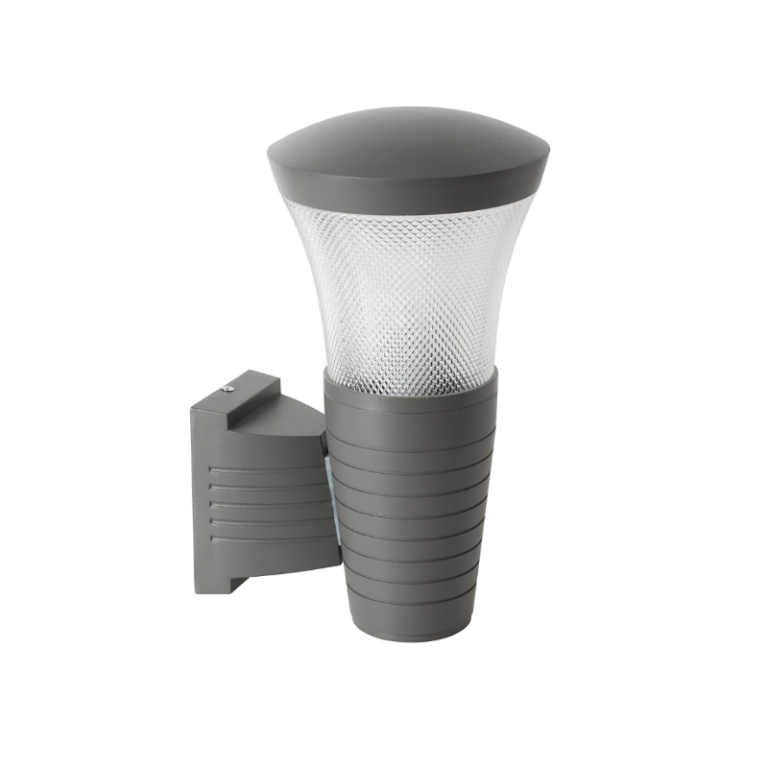
Three golden rules for selecting thermal strategies in bollard projects
1) Require validated thermal reports: choose fixtures with third-party or manufacturer-provided thermal mapping that shows junction temperature under expected ambient conditions. 2) Prioritize thermal path design over superficial mass: heat sinks and thermal interface materials that move heat out of the LED assembly deliver longer-term value. 3) Evaluate total cost of ownership: include projected maintenance schedules, failure rates, and replacement costs — not just initial unit price.
For design teams seeking a balance of aesthetic control and dependable thermal performance, Keyida demonstrates how engineered dissipation can convert a compact bollard into a long-life, low-maintenance asset. —