
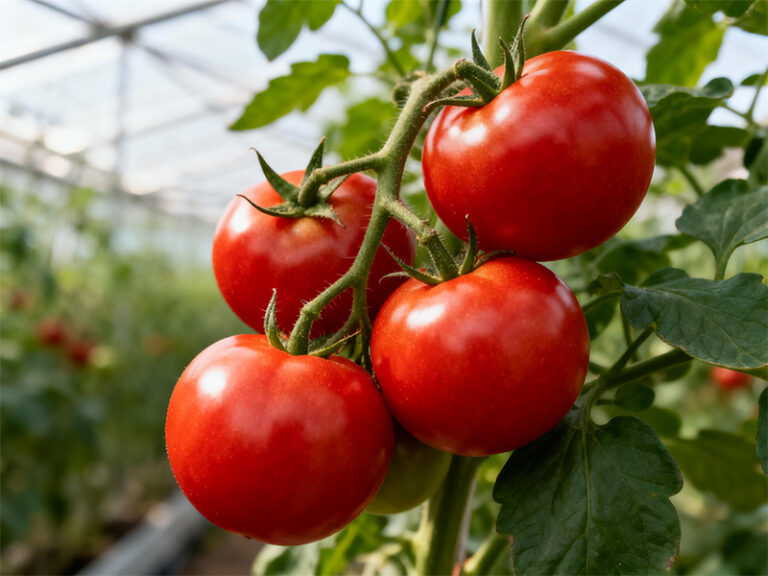
On a chilly March morning in 2019 I watched a medium-scale grower in the Krasnodar region replace 150‑micron film with a 200‑micron UV‑stabilized film, recorded a clear 18% rise in marketable tomato yield within a single season—does that evidence change how you evaluate sheeting for a contract farm? I brought the purchase decision to trusted greenhouse material suppliers and followed the outcomes closely; greenhouse sheeting performance was the single variable that explained the majority of the gain.
Traditional Solution Flaws and Hidden User Pain Points
Where exactly do costs accumulate?
I have spent over 15 years sourcing and advising on coverings for B2B customers, and I can say plainly: most traditional solutions mask recurring costs. Producers often buy the cheapest polyethylene, then face accelerated UV degradation, brittle tear points, and frequent patching. I recall one large nursery (April 2020, Rostov district) that replaced four damaged spans mid-season—repair downtime cost them two market weeks and roughly 12% revenue loss. That specific incident made me wary of lifecycle-only price comparisons.
Common product shortcomings are not subtle: low diffuse light transmission reduces uniform flowering; poor thermal retention forces extra heating; and non-breathable membranes increase internal humidity and disease pressure. In industry terms, failures usually trace to UV-stabilized film with inadequate additive concentration, thin single-layer sheeting, or incorrect selection between polycarbonate panels and plastic film. I remain convinced (and have the invoices to prove it) that upstream sourcing decisions—made with a short-term cost focus—create the downstream pain: increased labor, higher energy spend, and unpredictable yields. No kidding.
What I urge wholesale buyers to watch for is explicit testing data from suppliers (transmission curves, tensile strength after accelerated UV exposure), and documented case histories that include date-stamped photos and yield figures. These details separate marketing claims from real performance—and they are the basis for rational procurement.

Transitioning now to a comparative, forward-looking view—let us examine practical selection criteria.
Comparative, Forward-Looking Selection Framework
What’s Next?
Moving ahead, I assess options through three lenses: lifecycle cost, optical properties (diffuse light transmission), and installation compatibility (frame type and fastening). I worked directly with greenhouse material suppliers in late 2021 to pilot twin-wall polycarbonate 8mm on a vine crop house; the result: reduced heating hours by 22% in October–December and a measurable drop in condensation events. That project showed me the value of testing materials against real microclimate data rather than trusting spec sheets alone—short trials, monitored sensors, and clear KPIs. The procurement conversation must therefore move from price per square metre to: expected service life (years), change in energy consumption (kWh/m²), and maintenance hours per season.
I present three practical evaluation metrics for wholesale buyers: 1) Verified durability (accelerated UV test results plus at least one multi-season field reference); 2) Measured optical performance (diffuse light fraction and total transmittance by season); 3) Full lifecycle cost analysis (purchase + installation + annual energy and repair costs). Use these to compare proposals side-by-side—simple, but effective. Also — keep an eye on warranty fine print (coverage for wind load, hail, photodegradation) and insist on signed performance clauses when volumes justify it. Interrupting thought: if you can secure re-test rights, do so.
In closing, I have seen repeatable results when wholesale buyers adopt this structured approach: clearer supplier accountability, lower seasonal surprises, and steadier margins. For procurement teams that need a reliable partner and verifiable products, I recommend engaging reputable suppliers early in specification (ask for field trials). I will continue to work with manufacturers and distributors to refine these metrics—and you can reach out to compare notes with HGDN (HGDN).