

Introduction: When a Smooth Sourcing Plan Meets Real-World Chaos
Launch week looks great on slides. The shelf is still empty, though. You lined up china perfume bottle manufacturers months ago, locked specs, and felt done. In one recent trade audit, up to 38% of packaging delays came from small fit variances, and 21% from labeling or coating defects that showed up late in QA—funny how that works, right? So why do perfect samples crumble when volume hits? Is it a supplier problem, a process gap, or the wrong signals at the wrong time (and in the wrong format)? We’ll zoom in on the moments where “approved” turns into “almost.” Then we’ll stack options side-by-side, so you can see the trade-offs without the noise. Let’s move.
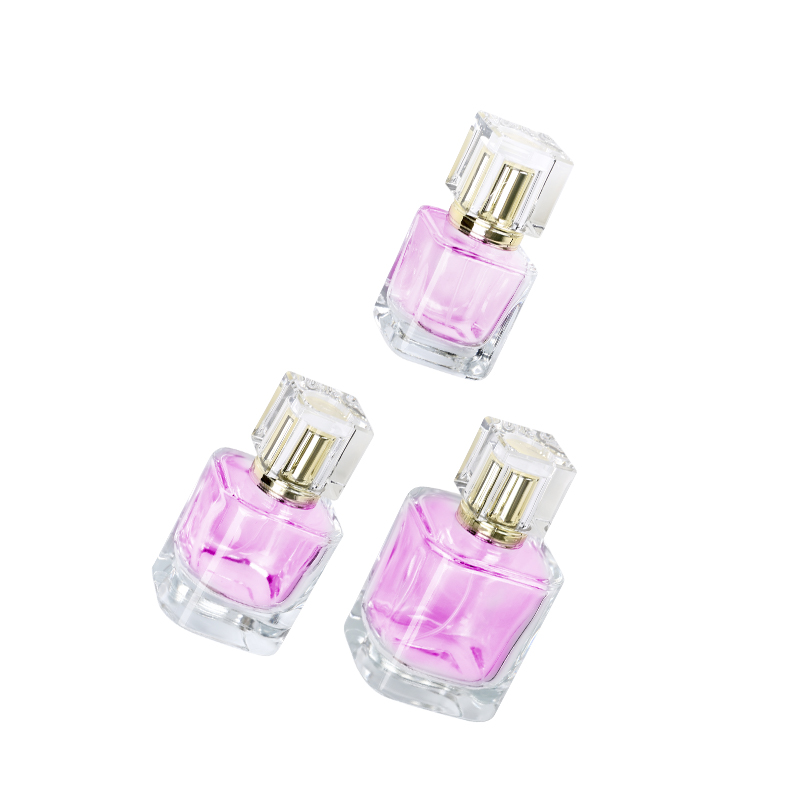
Part 1: Where Great Deals Derail—The Friction You Don’t See
Ever notice how the sample shines, then the first 50,000 units drift? That gap isn’t magic. It’s process math. First, sample glass often runs on a slow, carefully watched line. Mass orders run hot. Lehr speed changes the stress profile. Micro-waves in wall thickness sneak in. The neck finish shifts by tenths. Your crimp pump torque starts to wander.
Next, molds behave differently over time. New molds at two-cavity are clean. At eight-cavity, cavitation adds variation. Your AQL plan catches some variance, but not the early trend. Without real SPC charts, drift is guesswork. Decorative work adds its own spin: UV coating, hot stamping, and screen printing need tight cure windows. Change one lacquer batch, and adhesion can tank.

Then there’s data. Specs live in emails. Tolerances live in drawings. Operators live on the line. If they can’t see a live go/no-go gauge for the 15/415 neck, they default to habit. Finally, pack-out. Carton burst test numbers look fine in the lab, yet corners crush in humid transit. Result: pumps don’t seat, collars tilt, and your unit cost rises with rework. The blame lands on “supplier quality,” but the root sits across sampling plans, line speed, and feedback loops—and it’s shared.
Part 2: The Hidden Pain Points Behind Wholesale Perfume Bottle Orders
What’s the real blocker?
When teams lock in a wholesale perfume bottle program, they tend to optimize for unit price and MOQ. That’s normal. But the quiet pain lives in mismatch: pump crimp torque versus neck-roundness; collar height versus shoulder radius; coating cure versus hot-stamp foil dwell time. These are not exotic issues—they’re routine, and they stack. Look, it’s simpler than you think: if the 20/410 or 15/415 finish drifts by 0.15 mm, your atomizer torque spec must widen or your scrap rate will.
Traditional fixes lean on wider tolerances or extra inspection. Both add cost. Extra AQL pulls slow the line and still miss pattern drift. Re-engineering the mold mid-run is worse. Another trap: decorations are signed off on a hand-sprayed sample, then scaled to an auto line with a different lamp profile. UV coating shifts, adhesion drops, and claims spike. The true blocker is timing. Critical-to-fit data arrives after palletization, not during pilot runs. Without live checks on crimp diameter, ovality, and coating hardness, “approved” isn’t predictive—it’s a snapshot.
Part 3: Forward-Looking Fixes—Principles That Scale
What’s Next
Let’s flip the script. New shop-floor setups now mix simple sensors with edge computing nodes to watch the few variables that actually break things. Think neck-finish laser gauging, inline vision for wall uniformity, and crimp torque feedback linked to servo heads. When SPC dashboards flag a Ppk dip on 15/415 finishes, operators adjust lehr temps or line speed before drift turns into scrap. Pair that with a small digital twin of the mold and pump fit—run a quick FEA on collar seating—and you turn approval from a one-time event into a loop. A capable perfume bottles supplier will also log lot traceability (ink, foil, lacquer) so decoration failures can be isolated fast—hours, not weeks.
This isn’t sci-fi. Case teams using inline torque capture and basic eProof workflows cut fit-related returns by double digits. Transit damage drops when corrugate specs tie to measured humidity, not generic claims. And yes, the cost curve improves because inspection becomes targeted, not bloated. The comparative edge comes from fewer variables, tighter feedback, and shared visibility—brand, bottle maker, pump maker all seeing the same numbers. Short sentences. Clear signals. Fewer surprises—funny how that fixes the “perfect sample, messy launch” cycle.
How to Choose Without Guesswork: Three Metrics That Matter
Capability in the fit stack: Ask for historical Ppk on neck-finish diameter and ovality at your target line speed, plus documented crimp torque windows with your actual pump. If a maker can show stable Ppk >1.33 on the finish you need, your risk falls fast. Tie this to mold cavitation count, because 2-cavity and 8-cavity behave differently.
Process visibility, live not later: Require SPC dashboards for the top three CTQs (finish diameter, wall thickness, coating hardness) and pre-agree AQL levels for non-fit defects. Batch-level evidence beats promises. Bonus points for camera-based inspection and time-stamped corrections, not just pass/fail stamps.
Logistics resilience that matches reality: Validate corrugate edge crush and drop tests under your route’s humidity map. Confirm lead-time variance and a backup plan for deco line downtime. Small thing, big effect: carton burst test data tied to the actual lacquer cure profile avoids scuffing in transit. Choose partners who make this boring and predictable.
In the end, predictable launches come from fewer blind spots and cleaner handoffs. Keep the sample magic, but wire the process so it scales. Shared data. Early fit checks. Tight loops. That’s the difference between “almost shipped” and “on shelf.” NAVI Packaging