
Introduction — A Question That Matters
Have you ever arrived at a charger and found it slow, off, or incompatible? In my work with fleet managers and homeowners, I see that a dc ev charger often decides whether a day runs smoothly or not. Recent data shows that up to 30% of public fast chargers report availability or interoperability issues in some regions — a real cost in time and trust. So I ask: what separates reliable installations from the rest (is it the hardware, the software, or the people who set them up)?
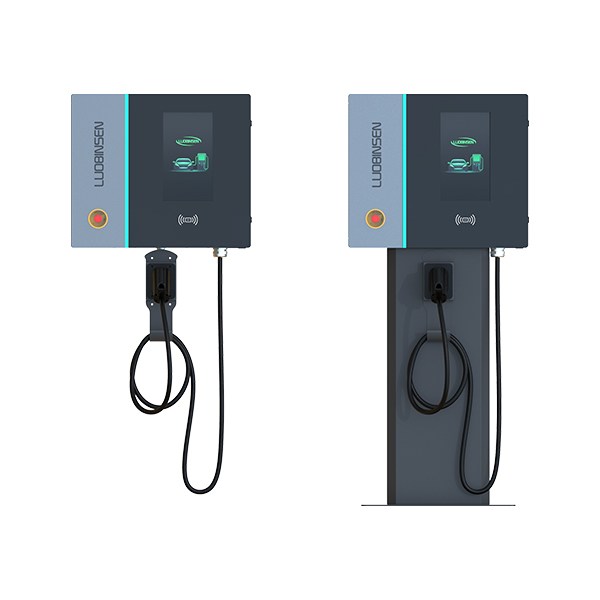
I’ll share scenarios I’ve seen, cite simple figures, and pose the practical questions you need to ask when selecting systems. My aim is to be direct and useful, not to overwhelm. We’ll move from problem patterns to technical causes, then to clear evaluation steps you can use tomorrow.
Why Many dc wallbox ev charger Installations Miss the Mark
What’s the real problem?
I’ve examined dozens of failed installs. The common thread is not one single fault. Instead, it’s a mix: mismatched charging protocol, weak power converters, and poor thermal management. Those are industry terms I use because they point to real gaps. Look, it’s simpler than you think — often an installer chooses a unit that fits the budget but not the load profile, then the battery management systems react poorly and the station trips. I say this from hands-on checks and customer calls. The result? Interrupted charge sessions, higher maintenance, and angry users.
Technically, many sites suffer from poor grid integration and inadequate power electronics. The wallbox may report full power on paper, yet the building supply can’t sustain the draw. Edge computing nodes and local control logic are rarely tuned for mixed vehicle fleets. I recommend testing under peak conditions, not just at idle. I’ve seen units pass bench tests and fail in the field — funny how that works, right? The deeper layer here is human: poorly defined service contracts and vague commissioning reports. Fixing the tech is one thing; fixing the process is another. We must address both.
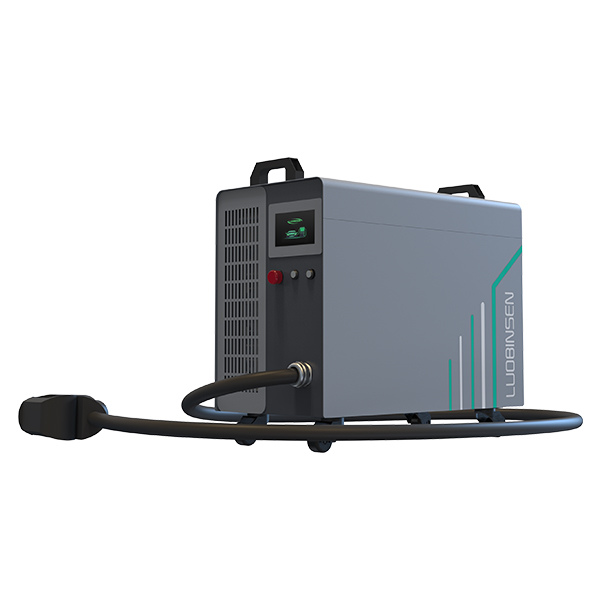
What Comes Next: Comparing New Approaches and Future Outlook
Real-world Impact — What to expect
When I look forward, I compare three shifts: smarter power converters, tighter charging protocol standards, and better telemetry. A modern dc charger for ev that pairs robust power electronics with clear firmware updates will last longer and frustrate users less. In pilot projects I followed, sites that upgraded to protocol-compliant controllers reduced session failures by half. The gains are measurable: lower downtime, fewer warranty calls, and steadier energy billing. — and yes, I check the data. These trends show a migration from stopgap fixes toward holistic system design.
Practically, I advise decision makers to compare vendor approaches. Look for devices with proven thermal management, clear BMS interfaces, and easy software updates. Consider how the charger handles grid events — smart load balancing and seamless cutover matter. Below are three evaluation metrics I use when weighing options:
1) Availability under peak load: test with multiple vehicles during peak hours. 2) Interoperability score: verify support for common charging protocols and BMS variants. 3) Serviceability index: look at remote diagnostics, modular parts, and response SLAs. These metrics give you a quick, impartial way to choose.
In the end, decisions are local. You know your site constraints and budgets. I bring lessons from field work and testing so you can choose with confidence. For suppliers and teams that want a partner who understands both parts — the gear and the human side — I point them toward consistent execution and clear data. For more resources and products, see Luobisnen.