
Comparative lead
Choosing between private-label and white-label hardware shapes more than cost: it defines thermal strategy, firmware control, and field uptime. This Comparative Insight walks a product manager through those trade-offs with focus on high-brightness rugged controllers used alongside devices such as the 10.1 tablet pc. Expect clear contrasts on thermal rigidity, certification burden, and operational serviceability so you can make procurement choices that match real-world deployments.
Technical trade-offs: performance vs control
White-label options deliver speed to market and lower unit cost because the vendor supplies a tested module. They often include a sunlight-readable display and a tuned touchscreen digitizer, which accelerates integration. Private-label gives you control over the embedded controller, cooling path, and component selection — critical where thermal management affects performance. When ambient temps exceed 40°C or devices sit in direct sun, private-label lets you specify heat spreaders, thicker PCB copper, and targeted heat sinks to preserve CPU throttling margins.
Standards, ruggedness, and field reality
Ruggedized field units live or die by specs like MIL-STD-810 and IP67. Meeting those standards is possible in both models, but certification workflow differs. White-label vendors typically supply units already tested to MIL-STD-810 and water/dust ratings; private-label requires you to budget for third-party lab time and iterative design changes. The trade-off is predictable performance versus tailored thermal rigidity. FEMA and similar disaster-response teams prioritize proven certifications; procurement officers often choose pre-certified white-labels to reduce validation time.
Supply chain, firmware, and maintenance
Private-label procurement gives product teams firmware access and a path for OTA updates, variant control, and customized interfaces. That is decisive when controller firmware must integrate with fleet management or custom I/O. White-label simplifies logistics with established spare parts and fewer firmware headaches. Spare-part continuity is a frequent failure mode in field ops — units last longer when replacement boards are available from a consistent source. — That continuity matters in remote deployments where repair windows stretch from days to weeks.
Field performance case points
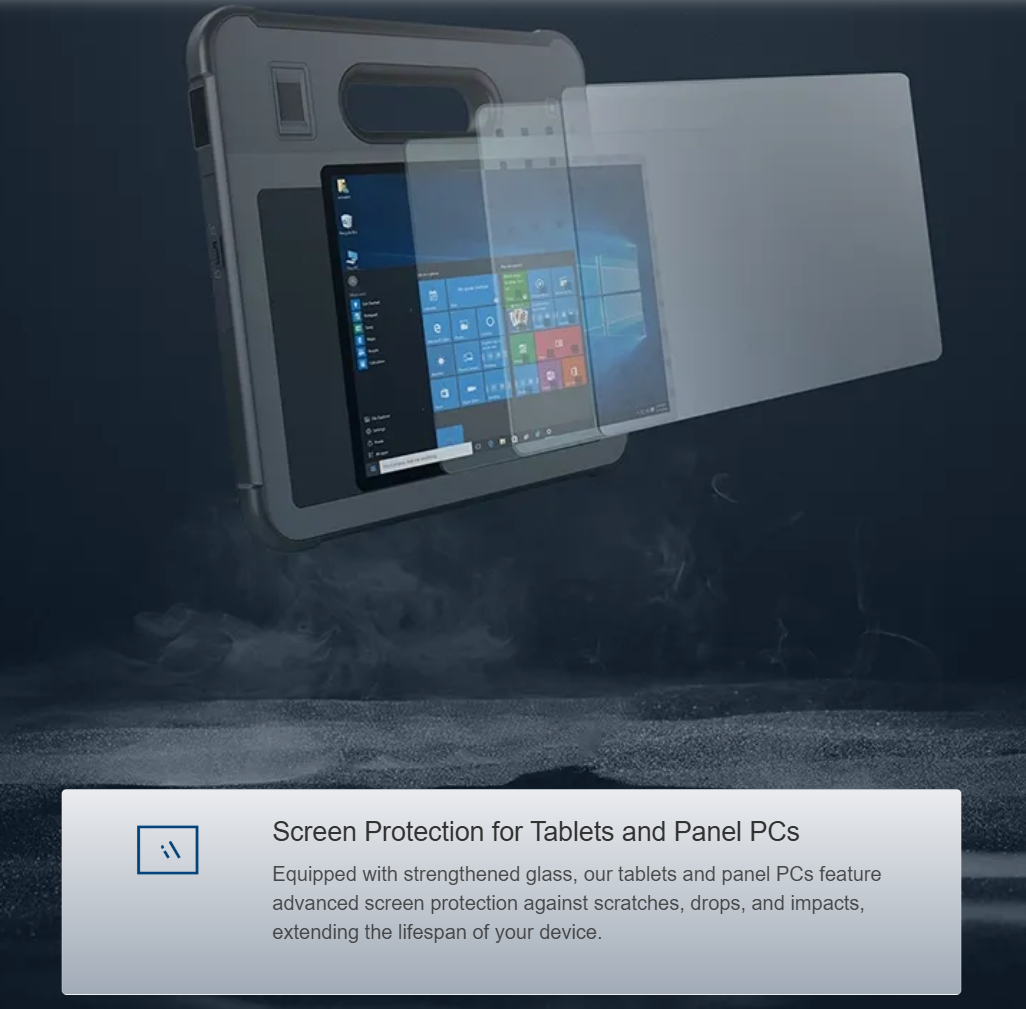
Real-world deployments reveal where choices show up: controllers with insufficient thermal conduction suffer display washout and throttling during long daylight operations; controllers without proper shock isolation fail after repeated vehicle vibration. Choosing private-label allowed one emergency-services program to redesign bezel mounting and add a vented heat path for extended dashboard use; the result cut field replacements by a measurable percentage. For many teams, pairing the controller with a certified tablet pc 10.1 that meets ingress and sunlight specs reduces integration risk.
Common mistakes and sensible alternatives
Teams often underestimate firmware ownership and budget for thermal testing. Common missteps include accepting vendor thermal claims without system-level validation and buying white-label hardware without confirmed spare-part SLAs. Alternatives: select an ODM that offers semi-custom builds (middle ground), or build private-label only when you have repeat volumes and clear long-term maintenance plans. Use bench-level thermal imaging, vibration profiling, and a certified ingress test early in vendor selection.
Advisory: three golden rules for the right choice
1) Prioritize thermal dissipation capacity measured at system level — not just component specs. Thermal rigidity is a system property; quantify it under expected solar load and CPU peak. 2) Insist on firmware access and OTA capability or confirm a vendor SLA describing update procedures and timelines. Firmware control prevents cascading field failures. 3) Verify certified ingress and shock ratings with vendor-supplied lab reports and spares continuity guarantees; logistical friction is the silent cost of downtime.
Choosing between private-label and white-label is a trade between control and predictability; pick the axis that aligns with your maintenance model, budget, and deployment environment. Estone provides integrated solutions that sit on the practical side of those trade-offs — engineered displays, controller options, and certifications that streamline field adoption. — final thought: plan for the field, not the spec sheet.