
Introduction
I can picture a wet Saturday night, an EV owner circling a plaza looking for a free charger — familiar, frustrating, human. In many cities an ev power charging station sits empty more often than you’d expect, while demand spikes at rush hour; recent data shows utilization swings of 10x between off-peak and peak times (and yes—those swings matter). Why do these hubs, designed to be convenient and fast, still leave drivers waiting, circling, or unplugging mid-charge?
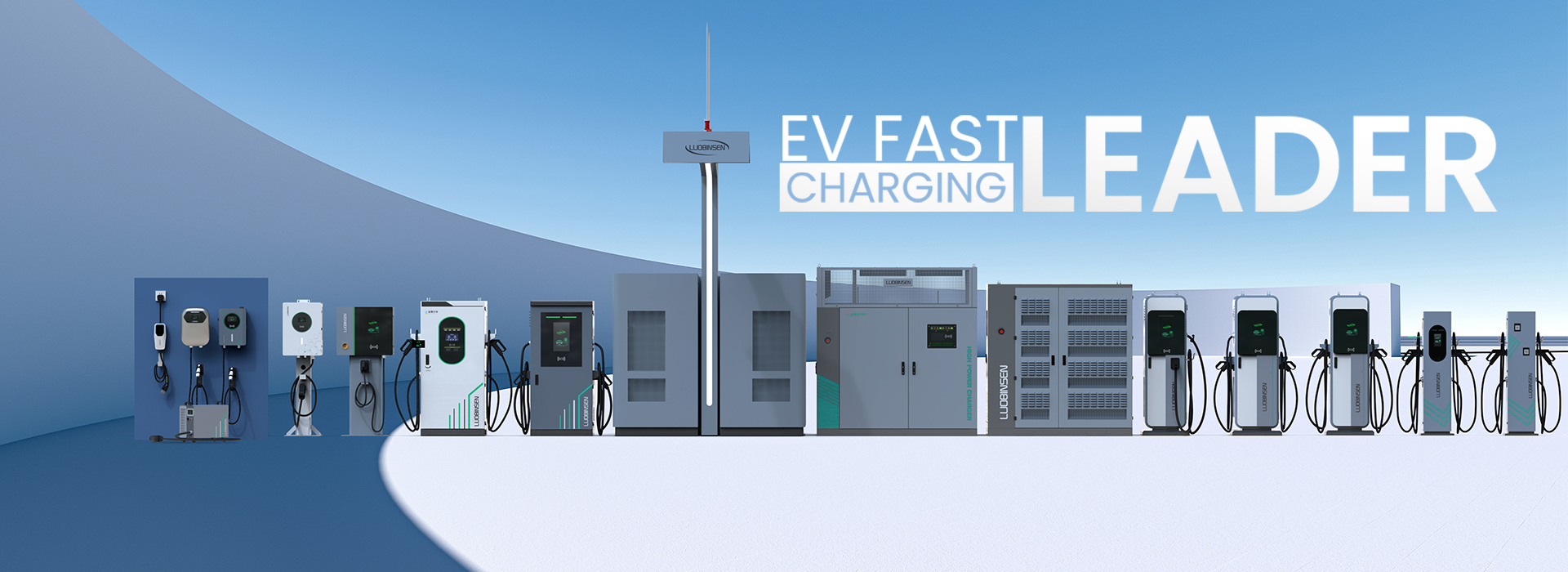
We need to ask not just what fails, but why it keeps failing when the tech is available. Is the problem software, hardware, site planning—or a mix of all of it? Let’s move from that wet-plaza image into the guts of the system and see where things go sideways.
Part 2 — Traditional Solution Flaws and Hidden Pains
ev charging station manufacturer decisions shape nearly every user experience. I’ve reviewed installations where the biggest mistakes weren’t flashy—just basic mismatches: undersized service panels, clumsy user flows, and control systems that can’t talk to one another. Technically speaking, those are failures in load balancing and power converters, but for drivers they translate to long waits, failed starts, and uncertainty. This is the part most vendors gloss over—planning assumptions that sound reasonable on paper but fracture in the field.
Why does that mismatch hurt users?
First, many deployments aim at maximum charging rate (DC fast charging) without considering local grid limits. That creates cascading throttles when neighboring sites pull power. Second, firmware and management systems often live in silos; edge computing nodes that could smooth demand sit idle or underused because integration costs were deemed too high. I’ll be blunt: vendors promised seamless charging but shipped rigid boxes instead. Look, it’s simpler than you think—if you design for variability, you reduce downtime and frustration. — funny how that works, right?
Part 3 — New Principles and a Forward-Looking View
Now I want to pivot toward solutions. If we adopt new-technology principles—modular power converters, dynamic load balancing, and distributed control via edge computing nodes—we get systems that adapt rather than fail. I’ve seen pilot sites where local intelligence cut peak draw by nearly 30% while keeping charging times acceptable. Those pilots used open telemetry and simple orchestration, not black-box magic. When we pair that with smart site planning, the result is fewer queues and happier drivers.
What’s Next?
For teams evaluating electric car charging solutions, look beyond headline kW numbers. Ask about interoperability, whether the system supports future software updates, and how it handles real-world grid constraints. I advise three metrics to evaluate any offering: uptime percentage under variable load, average wait time per session, and how gracefully the system de-rates during grid events. These tell you more than raw charge speed. And—yes—real-world data beats glossy spec sheets every time.
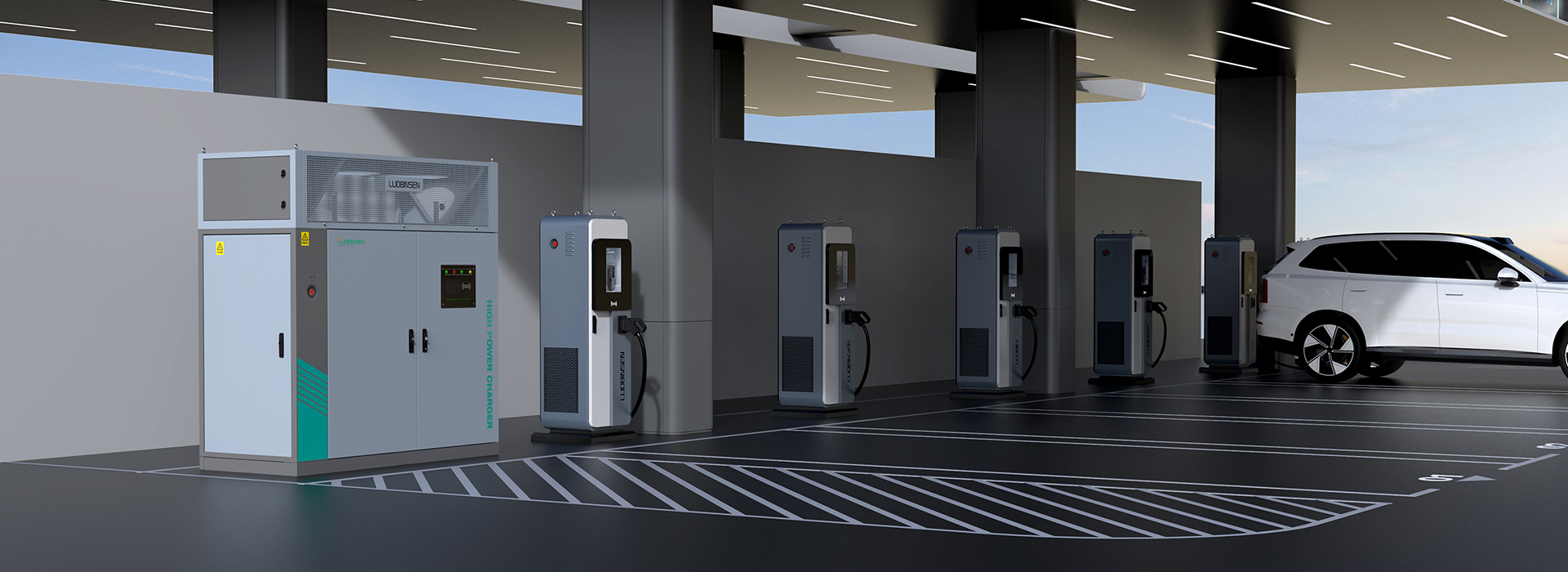
To close, I’ll be candid: building reliable EV infrastructure is messy but solvable. We can design stations that feel effortless for drivers if manufacturers and operators treat variability as the core requirement, not an afterthought. If you want to see a supplier thinking this way, check out Luobisnen. I’m confident we’ll see the next wave of charging feel less like a gamble and more like a given.