
User-centered framing: why patients and clinicians matter first
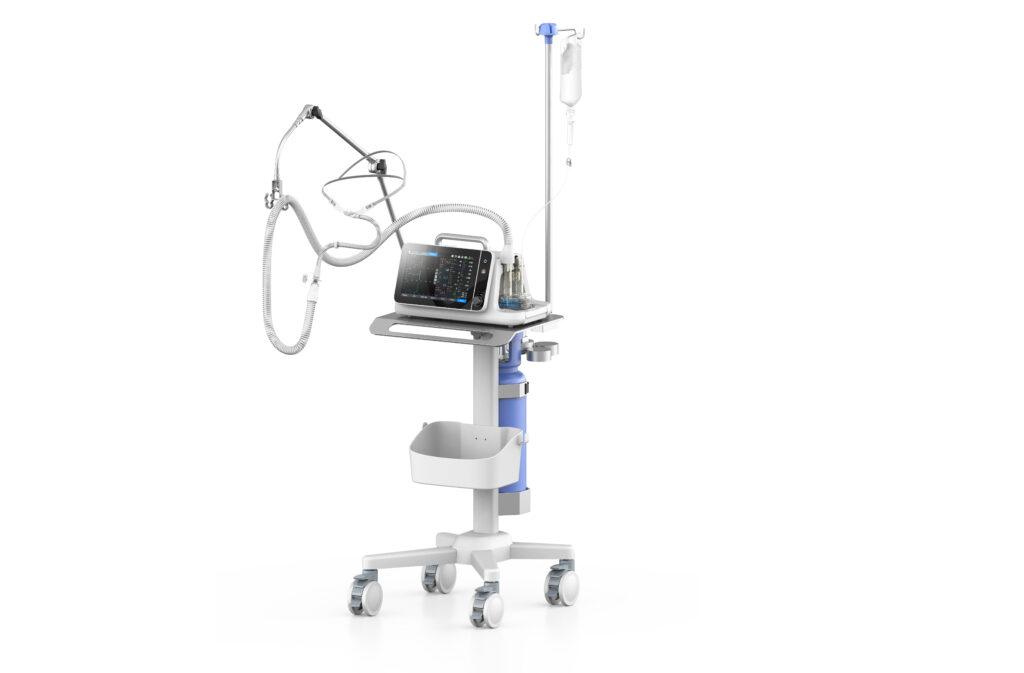
When teams design non-invasive ventilation (NIV) systems, the priority must be patient comfort and clinician efficiency. Clinicians need clear controls, predictable pressure support, and reliable alarms; patients need interfaces that reduce leakage and skin breakdown. Early use cases—especially during the COVID-19 hospital surges of 2020—showed that shortages in ventilators and inconsistent NIV setups cost time and increased workload. This article adopts a user-centric lens and refers to practical device types such as a medical ventilator and portable options like travel cpap to ground recommendations in familiar device families. EEAT approach: clinical device evaluation informed by frontline practice and published guidance.
Core design elements clinicians ask for
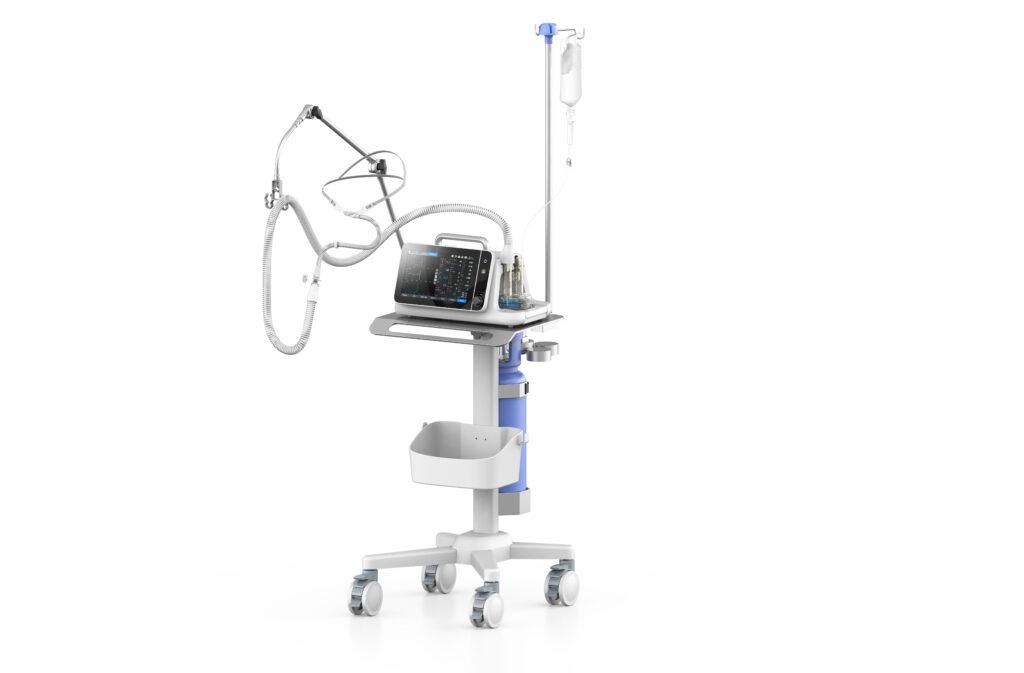
Design must balance three technical goals: effective positive pressure ventilation, simple interface, and safe alarm logic. Practical features that matter in daily care include adjustable PEEP, clear tidal volume readouts, and a low-resistance respiratory circuit. Interfaces that allow rapid mask changes and reusable cushions reduce time at the bedside. Engineers should prioritize core measurements—tidal volume and minute ventilation—over nonessential graphics; clinicians will act on clear numbers when a patient’s respiratory effort changes.
Integrating devices into clinical workflow
True usability is tested under shift pressure. Devices should boot quickly, hold settings across power transitions, and allow protocol presets. Integration with electronic health records is useful, but quick local logs and exportable CSV files often solve most needs. Include bi-level modes for patients who require variable support and ensure the alarm hierarchy distinguishes urgent airway loss from less urgent events. These steps shorten response times and reduce cognitive load for bedside staff.
Common mistakes and practical alternatives
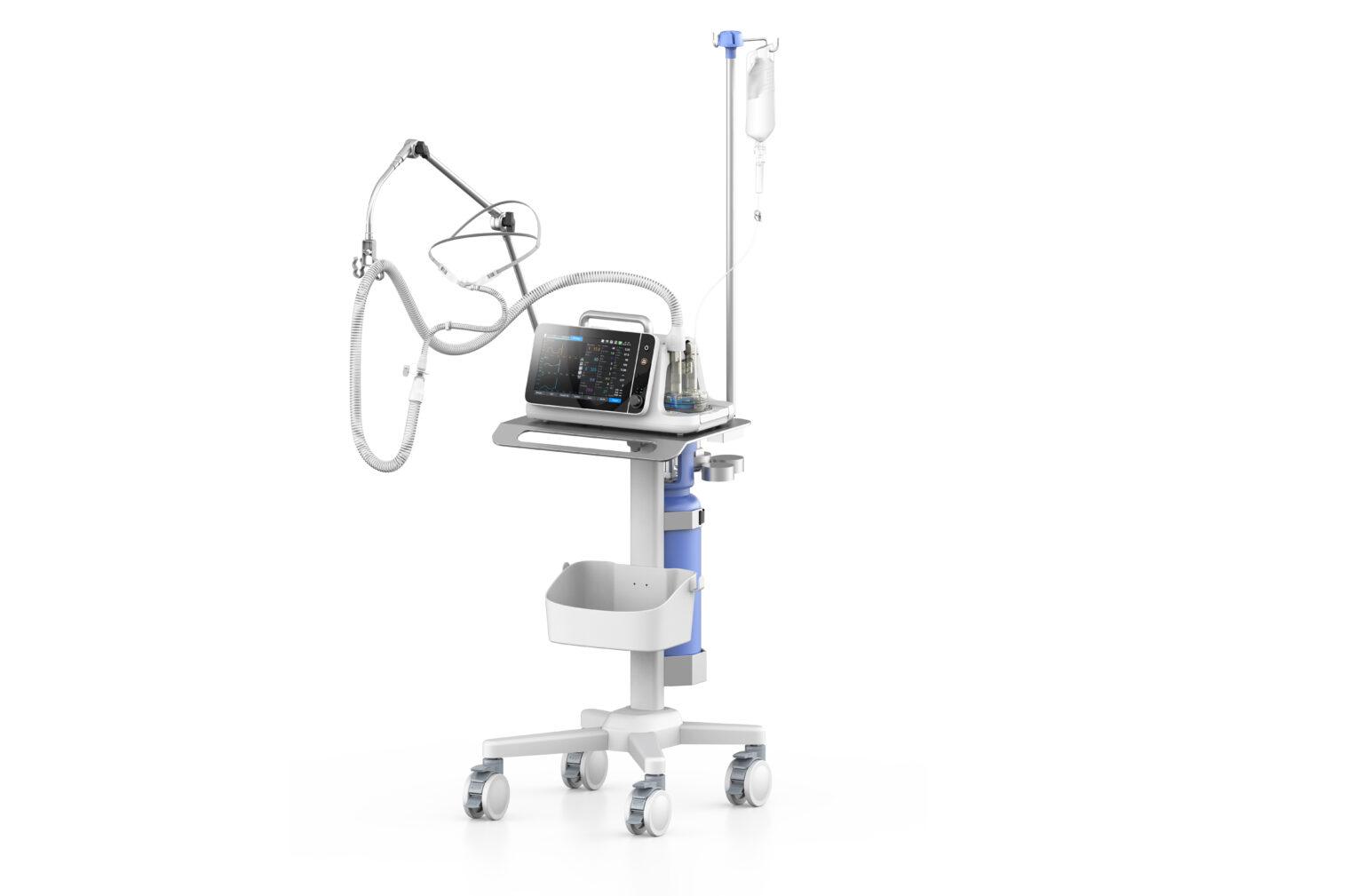
Manufacturers and procurement teams repeat a few predictable errors. First: overcomplicating the user interface with nested menus; clinicians need direct access to pressure and support controls. Second: mismatching interfaces—choosing masks that fit poorly for the intended patient population. Third: ignoring transport needs—travel-ready CPAP options can maintain therapy continuity during transfers. Alternatives include modular systems that support both full-featured ventilation and a lightweight CPAP module for transport. Consider the trade-offs: simpler devices win in emergency triage; full-featured units win in the ICU.
Design detail checklist — short, actionable items
– Clear primary display: pressure, tidal volume, respiratory rate. – Preset modes with one-touch switch between NIV and CPAP. – Robust battery and a sealed respiratory circuit for transport. – Easy-to-clean mask components and standardized connectors. These items reduce set-up time and lower the chance of interface errors when teams rotate shifts.
Clinical validation and one real-world anchor
Validation should combine bench testing and short clinical pilots. Bench tests must measure tidal volume accuracy across 3–6 L/min leaks and report mean error and standard deviation. Clinically, run a focused pilot across at least two wards for 30 days to capture variability in patient effort and mask fit. The COVID-19 surges demonstrated that rapid bedside validation and simple, repeatable test protocols are invaluable for safe deployment.
Golden rules for selecting NIV and portable CPAP systems
1. Clinical fit over feature lists: verify mask compatibility and pressure delivery in a small on-site test group. 2. Resilience metrics: battery runtime under typical support load, and tidal volume accuracy at simulated leaks. 3. Workflow integration: preset profiles, quick-start boot, and simple alarm prioritization. These three metrics—fit, resilience, workflow—tell you quickly whether a device will perform under pressure and support safe, continuous care. The recommended choices should naturally support transport options like travel cpap when continuity matters. By aligning procurement to these metrics, teams can reduce errors and improve patient tolerance. Byond. –