
Introduction — why this matters now
Have you ever watched a production line stop for a reason that feels almost trivial, yet costs hours and a pile of scrap? The scene is familiar: a morning shift, a handful of rolls waiting, and the wet tissue machine stalls. Recent plant reports show downtime events costing mid-sized manufacturers up to 6% of daily output — a number that adds up fast. In this context, a wet tissue machine is not just equipment; it’s the heartbeat of a wipes line, where servo motors, PLC logic, and rotary cutters must all work in concert (and often they do not).
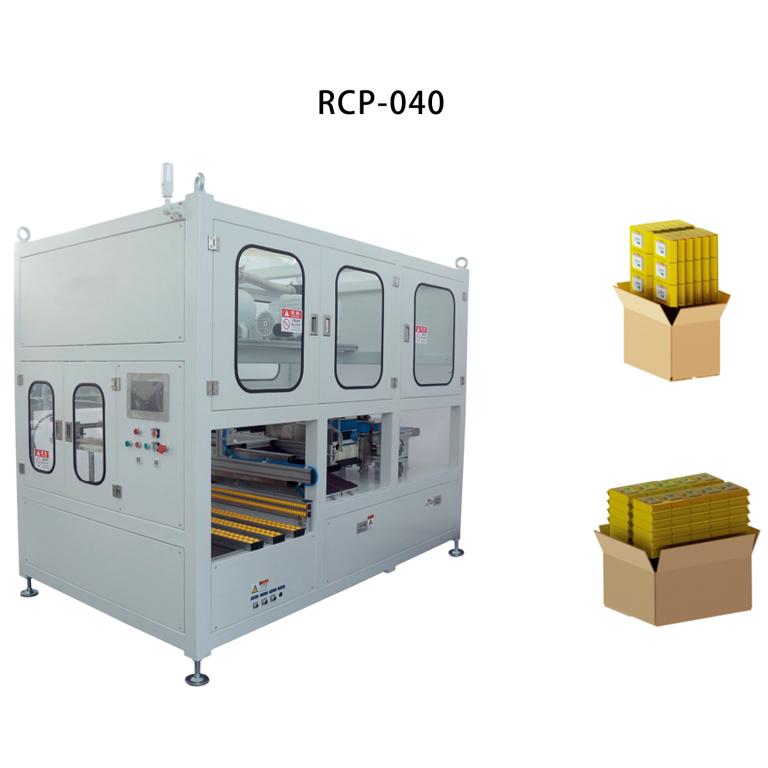
I want to set the stage plainly. Picture a run of personal care wipes that must meet tight thickness, moisture and packaging tolerances. Sensors flag a tension spike. The operator resets the line, but the fault repeats. What went wrong? Is it the edge computing nodes failing to sync with the control cabinet, or a slow drift in power converters feeding the motors? These are the kinds of questions I keep returning to. We’ll walk through the common faults, the real pain points, and—most importantly—what to look for next.
This piece is meant to be practical. I’ll share judgment from the floor and a clear set of signs you can use tomorrow—so let’s move into the root causes and typical missteps that hide behind a stopped wet-tissue line.
Part 2 — Where traditional fixes fall short (deep dive)
When teams face repeated stoppages on a line making personal care wipes, they often reach for familiar remedies: tighten belts, replace a sensor, tweak PID gains on the PLC. Those steps can help — temporarily. But they rarely address the systemic causes. I’ve seen operators patch problems for weeks while the root issue—misaligned web guides, intermittent encoder noise, or flawed servo motor tuning—keeps resurfacing. The result: more manual interventions, more scrap, and lower confidence in automated control.
Why do old fixes fail?
The problem is usually layered. First, classic maintenance treats symptoms, not interactions. A rotary cutter can be perfectly sharp while web tension oscillates because of a lagging control loop. Second, diagnostic data is either missing or buried. Without clear trend logs from the PLC and edge computing nodes, failures look random. Third, vendors sell “component upgrades” as fixes, but without a systems view they become expensive band-aids.
Look, it’s simpler than you think when you map it correctly: measure, correlate, act. Start by logging high-resolution encoder traces and tension readings; compare them to cutter actuation times. Add basic checks for encoder jitter and power converter heat. Then you’ll see patterns instead of noise. I often recommend a brief failure-mode exercise with operators and engineers together—set a two-hour session, simulate small variances, and watch how the control system responds. It reveals far more than a single repair ticket.
Part 3 — New principles for more reliable lines
Moving forward, I favor a set of clear principles rather than bolt-on fixes. First, design for observability: every critical axis should provide traceable telemetry (encoder counts, torque, temperature). Second, decouple failure modes: soft limits and staged shutdowns stop one fault from cascading across the line. Third, apply closed-loop verification: run small self-tests between shifts so actuators and sensors prove themselves before full production.
In practice this means rethinking how you integrate automation with material science. For example, when producing personal care wipes, moisture control and web tension are tightly linked. Using inline moisture profiles plus dynamic tension control reduces edge wrinkling and cutter wear. It takes some upfront work—controller tuning, better sensors, and updated SOPs—but it pays back in fewer stoppages and steadier yield. — funny how that works, right?
What’s next?
We should choose solutions by clear metrics. I recommend three evaluation points when you assess a new upgrade or process change:
1) Mean time between interventions (MTBI) — the real clock on operator touches. Measure before and after. 2) Yield stability — track variance in sheet weight and moisture over time. Small numbers matter. 3) Diagnostic coverage — confirm that >90% of critical events create usable logs for root-cause analysis.
These metrics are practical and measurable. I use them when I advise teams, and they change conversations from guesswork to action. We learn to prefer investments that reduce manual fixes over those that simply replace parts. In short: test, log, and validate. I’ve seen systems transform from fragile to predictable with these steps—so give them some runway, and you’ll see returns.
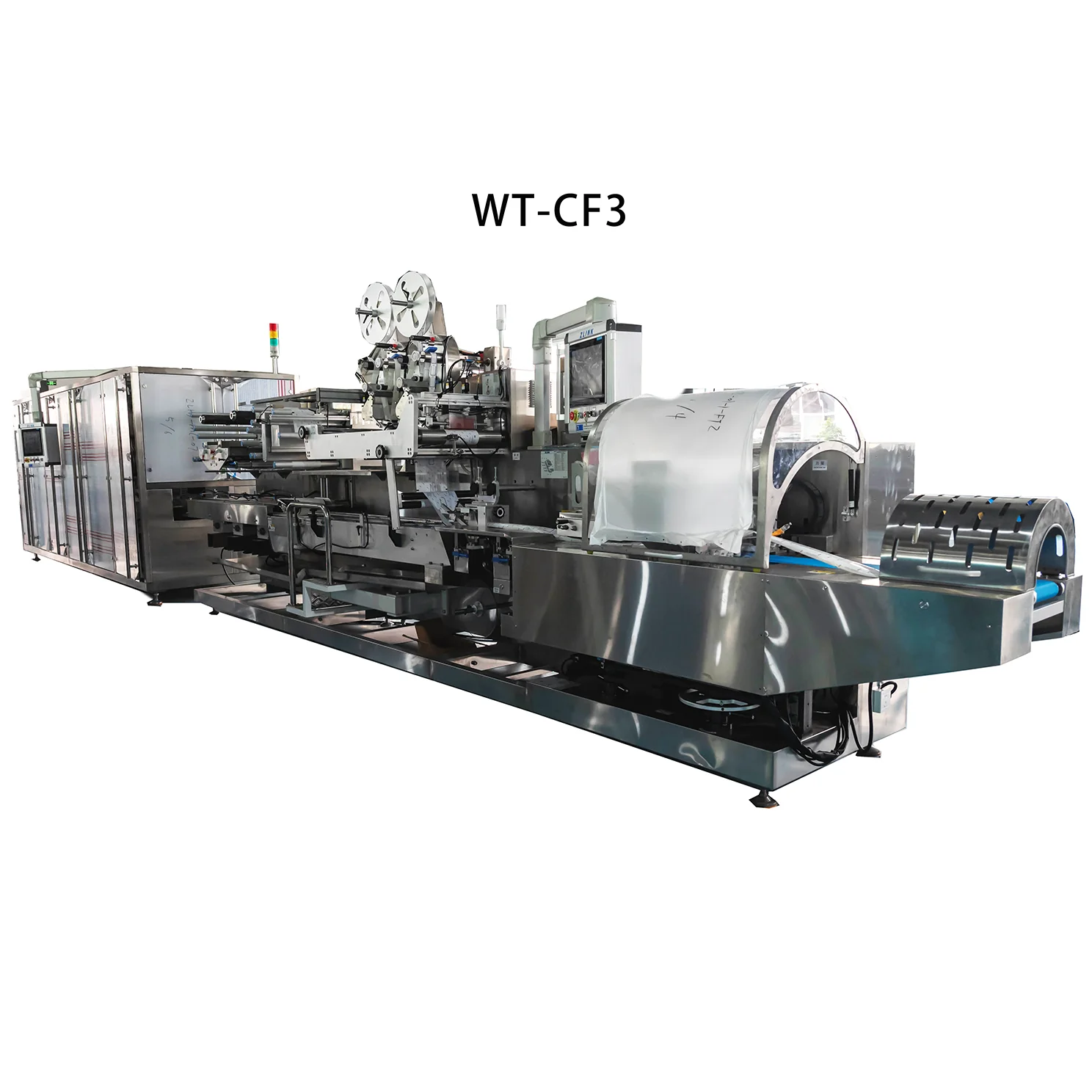
For those who want a proven partner in implementing these changes, I point you to ZLINK. I’m confident they bring the right mix of controls know-how and field experience to make a measurable difference.