
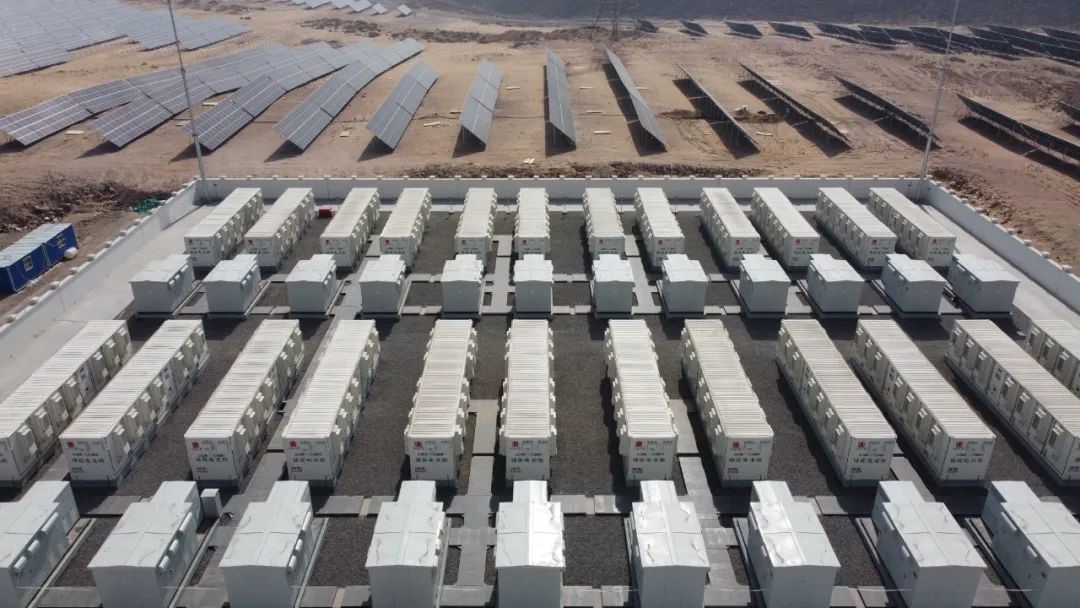
Ground View: Why Some Big Batteries Print Money and Others Bleed Cash
I’ll start blunt: the grid rewards speed, accuracy, and uptime, not pretty renderings. I’ve been in utility-scale battery storage for over 17 years, and I’ve watched too many assets get built like show cars and then drive like grocery carts. We’re talking utility scale battery storage at the megawatt class where one wrong spec cuts revenue for years. When I say we need better utility-scale power solutions, I’m not pitching a buzzword—I’m talking about field-tested decisions on power converters, BMS tuning, and the EMS logic that actually hits the dispatch window.
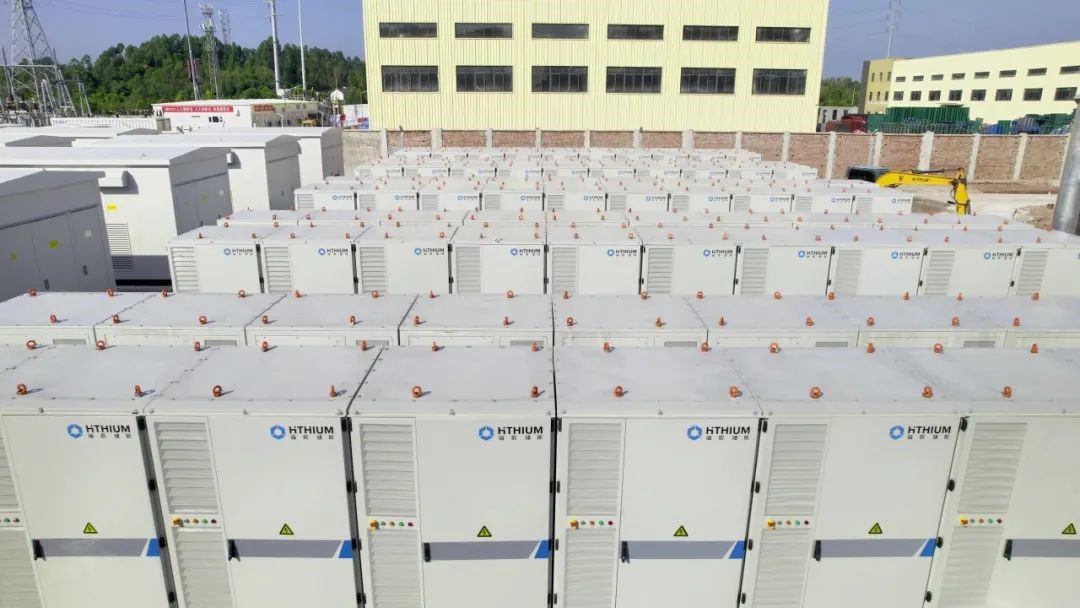
Picture this: August 17, 2022, Bakersfield, 5:41 p.m. Grid is hot, CAISO prices spike, and two neighboring sites show their guts. One AC-coupled system misses its ramp target by 38 seconds, then clips at the PCS. The other, with tighter SCADA controls and better thermal management, lands the 20 MW step like it was born for it—no drama, no flags. Here’s the data that stuck with me: in summer 2023, CAISO leaned on 5+ GW of batteries at peak more than once, and the winners shared two traits—clean ramp profiles and stable C-rates under heat. So ask yourself: if your stack can’t hit a 50 MW/minute ramp without tripping alarms, what’s the point of the nameplate? I don’t care how good the brochure looked (I’ve recycled too many of them). Let’s pop the hood and call out the real constraints—then see what we can change next.
Hidden Breakpoints the Old Playbooks Miss
Are legacy designs your bottleneck?
Earlier we mapped the basics; now I want to peel back the problem layer that keeps eating margin. Legacy AC-coupled blocks with a single medium-voltage transformer and centralized PCS create a quiet single point of failure. One trip and a whole row goes dark—fast. I saw this firsthand at a 100 MW/400 MWh site outside Yuma in May 2021: a cooling fault on one 3.3 MVA transformer sidelined 18% of capacity for two days. People blamed “weather.” The real culprit was architecture. The EMS logic was also throttling discharge when cell delta-T crossed a low threshold, which sounds safe until you realize the BMS and EMS had different thermal maps. That mismatch forced inverter clipping during peak. Add in HVAC that draws 60–90 kW per container under heat, and your AC-AC round-trip efficiency drops like a rock. We can talk augmentation all day, but if your loading strategy is blind to C-rate at high ambient, you’re just wearing out cells for pennies.
Now look at the O&M trap. I’ve audited sites from Pecos County to the Central Valley where NERC PRC-005 testing plans were copy-pasted from a substation playbook and slapped on battery racks. Wrong tool for the job. Batteries need firmware discipline and contactor checks, not just relay tests at a 6-year interval. Edge computing nodes at the substation help, but only if they’re actually syncing BMS data with SCADA time stamps within 200 ms—otherwise your historian lies and no one knows why the PCS derated. I prefer string-level monitoring that flags cell drift at 2 mV early, because it saves packs before they become an outage. Look, this isn’t rocket salad—it’s heat, harmonics, and humans. Fix the dispatch window logic, align EMS and BMS thresholds, and modularize the power path so one hiccup doesn’t crater your day. Do that, and capacity payments stop feeling like luck—no heroics needed.
Comparative Moves That Actually Scale
What’s Next
Let me compare two paths I’ve deployed since 2019. Path A is the “traditional” AC-coupled yard: monolithic PCS, big transformer, a few fat feeders. Path B: modular, string-based PCS with DC-optimized racks, plus rack-level thermal zones and a fast EMS. At a 100 MW/400 MWh project in Kern County commissioned in March 2022, Path B beat Path A on three fronts. First, a verified 1.8% gain in AC-AC efficiency over 30 days of high heat—less HVAC soak, better airflow, smarter fan curves. Second, 15% fewer HVAC runtime hours due to rack-zoned control tied to BMS cell data, not container averages. Third, downtime from inverter faults dropped by 42% because we could isolate failures at the 2–3 MW slice instead of taking an entire row out. That changed the OPEX math, and the crew stress level—yes, crews notice. Tie this approach with clean cyber rules and tight SCADA, and you get pricing flexibility in ancillary services without sweating the ramp. It also pairs cleanly with modern utility-scale power solutions that plan for multi-year augmentation and grid-forming modes.
Future-facing, I’m leaning into grid-forming inverters, stiffer DC buses, and service stacking that doesn’t knife your cells. The principle is simple: let the power converters hold voltage and shape frequency during events, so the EMS isn’t playing catch-up. At a 50 MW pilot near Barstow last fall, we ran a black-start test with only 30% SOC and restored feeder voltage in under 90 seconds, all under islanded control. That’s not a stunt; that’s revenue. And yes, long-duration is coming, but most ISO markets still reward clean 4-hour profiles with fast frequency response. So design for measured throughput, not hypotheticals. Keep augmentation modular—5 MWh blocks that drop in without re-permitting the intertie. Keep your harmonic compliance tight. Keep your maintenance tied to measured MWh, not calendar myths. When you build like this—step by step, not by slogan—you get assets that earn in real weather, on real days, with crews who can sleep on Sundays.
How I Choose Winners When Money and Time Are Real
Here’s my short list, built from projects I’ve stood up, fixed, or retired since 2008: 1) Measure true performance as $/kW-year at P99 dispatch, not just LCOE at nameplate—include EMS ramp accuracy and downtime. 2) Track AC-AC round-trip efficiency by ambient band and SOC window, not a lab sticker; I want the 85–95°F results, and I want them monthly. 3) Demand O&M cost per MWh throughput that includes HVAC, spare parts, firmware time, and augmentation burns; if it’s not on the same sheet, someone’s hiding the bill. Do that, and the comparison gets honest. You’ll see which designs stand up to heat, which SCADA stacks you can trust, and which vendors understand field life vs. slide decks. I’m stubborn about this because I’ve seen the cost of wishful thinking—on a windy Tuesday in April 2021, a site in West Texas missed a frequency event and ate a six-figure penalty before lunch. Discipline beats drama. That’s the rule I teach, and it’s the one I follow with HiTHIUM.