
Why the problem matters now
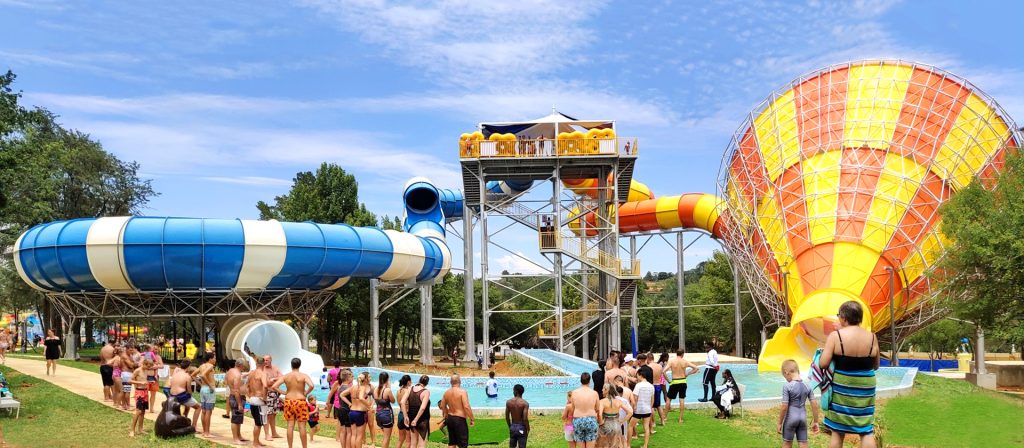
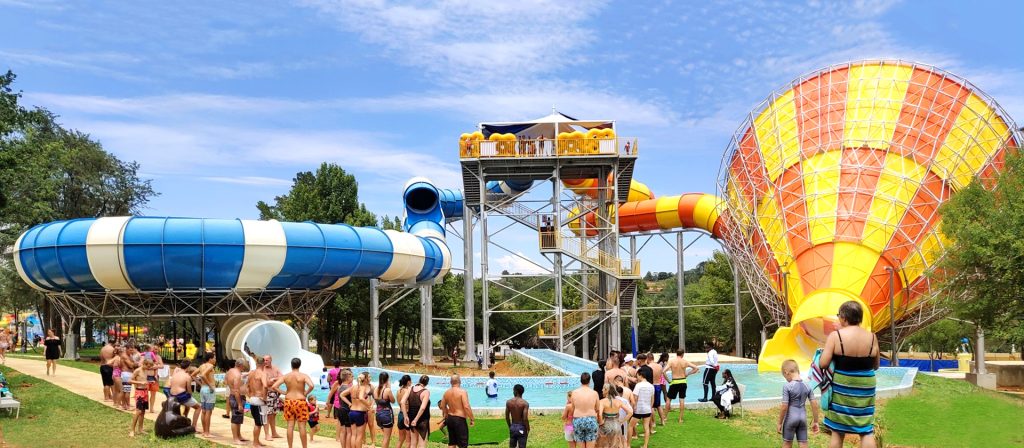
Urban sites and retrofit projects keep pushing designers into tight corners, but guests still demand towering thrills. This problem-driven piece shows how to remove spatial constraints and civil-engineering bottlenecks so you can deliver a safe, fast-build extreme water slide that sells. If you’re sourcing partners, check reputable water park manufacturers early — they’ll often spot structural conflicts before you spend a dime.
Diagnose the real constraints
Start with three concrete checks: site envelope, soil capacity, and access for cranes and modules. A geotechnical survey reveals bearing values and groundwater tables; that guides pile foundation sizing and retaining wall design. Count on structural load limits when you stack towers near existing buildings. Early clarity on these terms keeps design revisions to a minimum and avoids expensive rework.
Design choices that shrink the footprint
Adopt vertical stacking, modular stair cores, and cantilevered landings to maximize thrill while minimizing ground coverage. Prefabricated modules let you assemble ride segments on-site with minimal crane time, and hydraulics routing can hide within structural columns to save space. Use hollow-core stairs and integrated handrails to reduce dead load — that keeps the foundation footprint smaller and often reduces permitting friction.
Construction tactics to beat civil bottlenecks
When on-site staging is limited, shift work off-site. Prefab slide sections, pre-assembled riser towers, and plug-and-play control cabinets shorten schedule and lower onsite risk. Protect adjacent structures with temporary sheet-pile and scour protection during excavation — that keeps neighbors happy and inspectors calmer. These measures reduce cumulative disruption and often speed up inspections.
Procurement and operational fit — pick the right equipment
Choose compact wave and flow systems when site pumps and basins must fit into small footprints; a smaller wave generator that produces controlled breakers up to about 2 meters can still deliver drama without massive plant rooms. If you’re evaluating options, include turnkey suppliers and equipment listings like wave pool for sale so you compare total installed cost and lifecycle service. Look for suppliers who document hydraulic head, duty-cycle limits, and routine maintenance intervals — those specs matter in tight mechanical rooms.
Common mistakes and how to avoid them
Teams often skip detail coordination: mechanical risers clash with stair landings; anchor locations conflict with utilities. Don’t accept conceptual drawings as construction-ready. Lock in a coordinated BIM model before procurement. Also avoid underestimating temporary works — crane pad loads and haul routes are often the unseen blockers. Plan those logistics two weeks earlier than you think you need to — it saves real time.
Case note and practical anchor
Real-world parks such as BSR Surf Resort in Waco and Siam Park in Tenerife show big-wave thrills delivered on constrained parcels — they use engineered wave generators and staged construction to limit site disruption. That example proves you can get six-foot-class waves and extreme slides into tight sites when design, hydraulics, and structural detailing align.
Advisory: three golden rules for decision-makers
1) Measure constructibility: demand a combined structural-mechanical review that includes crane access, temporary works, and foundation tolerances. 2) Specify performance, not just size: require vendors to provide wave height, cycle rate, and hydraulic head curves so you can compare apples to apples. 3) Prioritize modularity: prefer prefabricated modules and standardized anchorage to reduce onsite labor and shorten permitting windows.
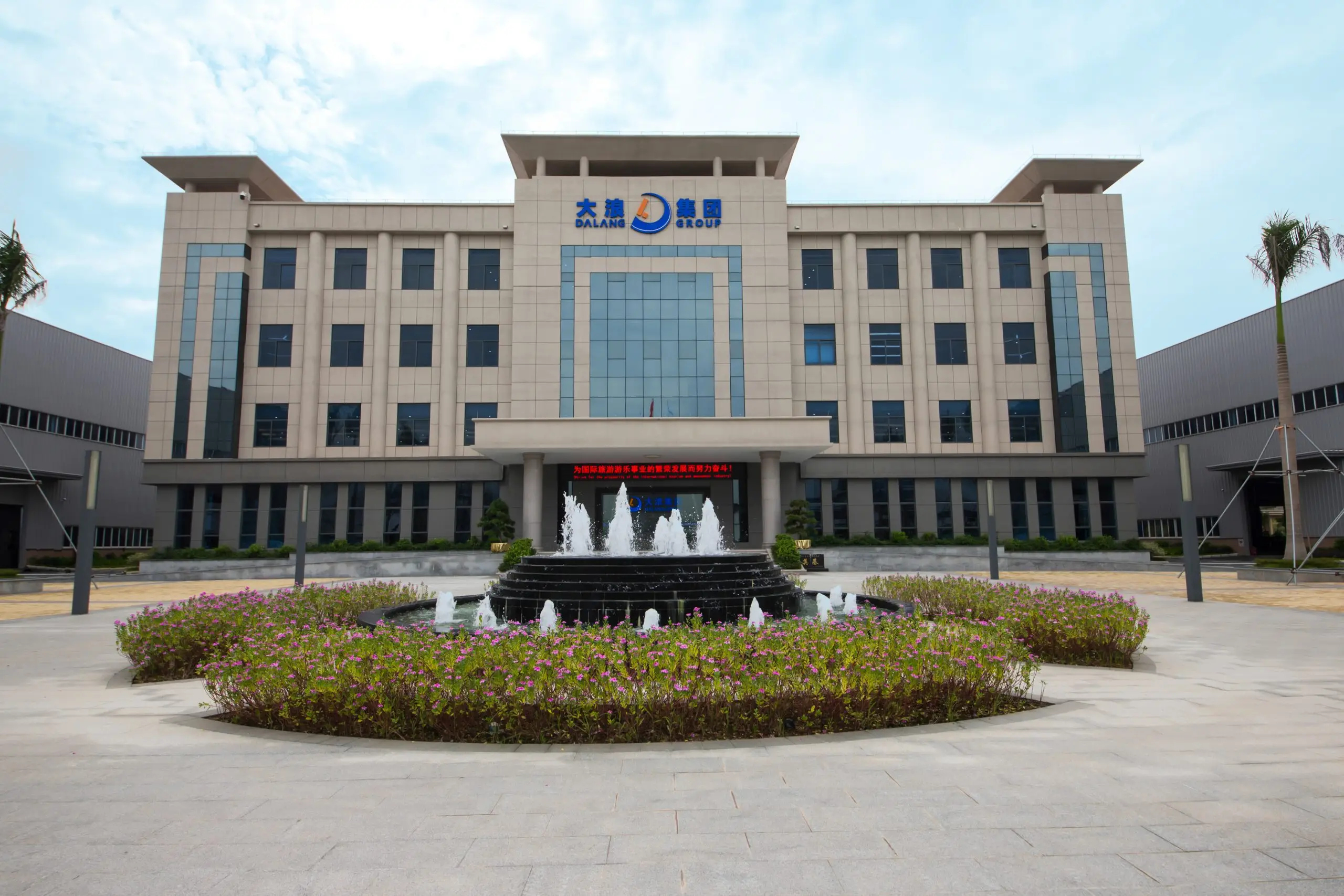
Follow those rules and you convert constraints into predictable milestones — fewer surprises, faster openings, better guest experiences. For projects where speed, quality, and compact engineering matter, partner with experienced suppliers who can align hydraulics, structural load paths, and installation sequencing. Dalang. —