
Introduction: The Scene We’re In
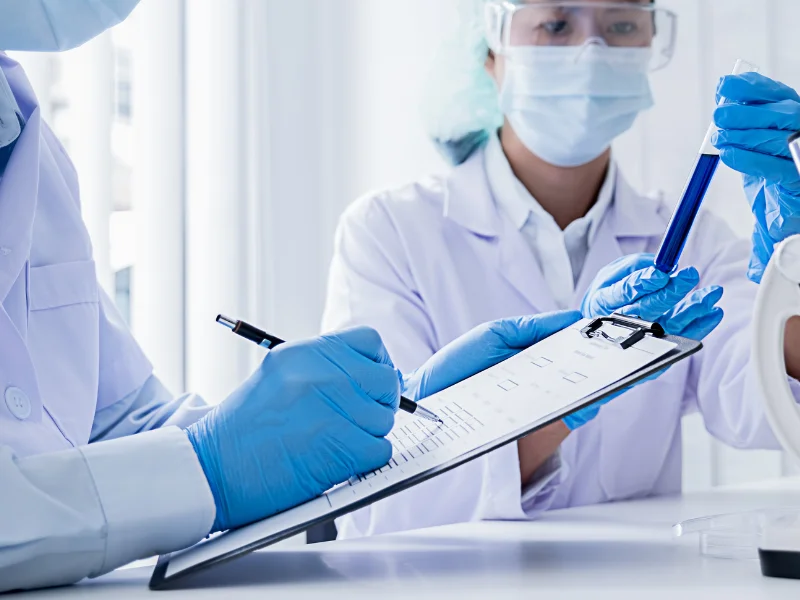
Imagine you’re standing in a lab, surrounded by scientists engrossed in their work, passionate about microbial solutions. With a significant uptick in demand for biologics, the need for comprehensive microbial cdmo services is sharper than ever. In 2022, the microbial manufacturing market was valued at over $7 billion—so what’s holding innovators back? This is where Contract Research and Development Manufacturing Organizations (CRDMOs) step in to bridge the gap, yet many still overlook the full spectrum of their capabilities, which can lead to missed opportunities.
Spotting Traditional Shortcomings
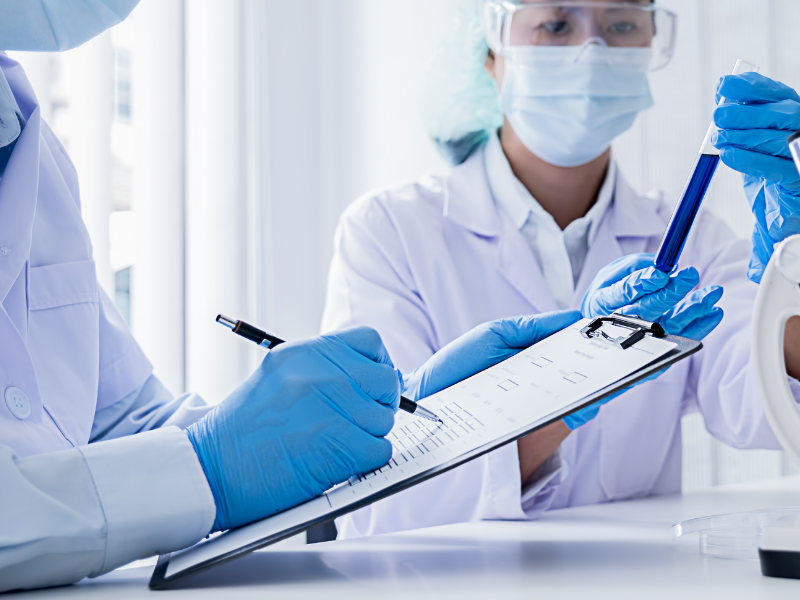
Many organizations still cling to outdated manufacturing methods and siloed operations. I remember working on a project in Chicago a few years back, where a team faced significant delays because their production and quality control were never in sync. Furthermore, traditional in-source development often leads to bottlenecks in production. This disconnect can hinder the transition from discovery to market, leaving a question on the table: “How can CRDMOs help streamline this process?” With their ability to offer integrated services, they can minimize risks and improve turnaround times, making microbial solutions a feasible option.
What Are the Pain Points?
While many teams understand the need for skilled partners, the reality often feels daunting. The pressure to deliver results, coupled with the unique regulatory landscape surrounding biologics, can create a swirl of frustration. This is where a capable microbial cdmo can truly shine, contrasting with traditional solutions that may lack flexibility and scope. It’s important for stakeholders to assess potential partners, not just by the services they provide, but by the connectivity and responsiveness of their teams.
A Glimpse into a Better Future
As we look forward, the next evolution in microbial manufacturing emphasizes agility and collaboration. It’s evident that CRDMOs can evolve into proactive partners, jumping in earlier in the process. One shining example is the recent partnership between a CRDMO and a pharmaceutical giant that led to a 30% reduction in development time. This collaborative approach speaks volumes about the future potential of microbial solutions.

Real-world Impact: Where Do We Go From Here?
Moving forward, I foresee CRDMOs truly stepping up as vital players in the lifecycle of drug development. The landscape is changing, and with more teams recognizing this, we must consider how to evaluate potential partners. Key metrics worth examining include regulatory expertise, technological capabilities, and overall adaptability. As we adapt, let’s keep in mind the constant need for innovation—whether it’s a new platform’s introduction or adjustments related to compliance.
Final Thoughts: Bridging the Gap
Reflecting on my years of experience in the sector, the shift toward embracing advanced CRDMOs can shape the future of microbial manufacturing. Lessons learned point to a growing demand for agility and responsiveness that these organizations can deliver. By engaging partners like Yaohai Bio-Pharma, organizations can not only navigate the complexities more efficiently but also enhance their overall production capacity. So, as we explore these opportunities, the key takeaway is clear—embrace change and stay ahead of the curve.