
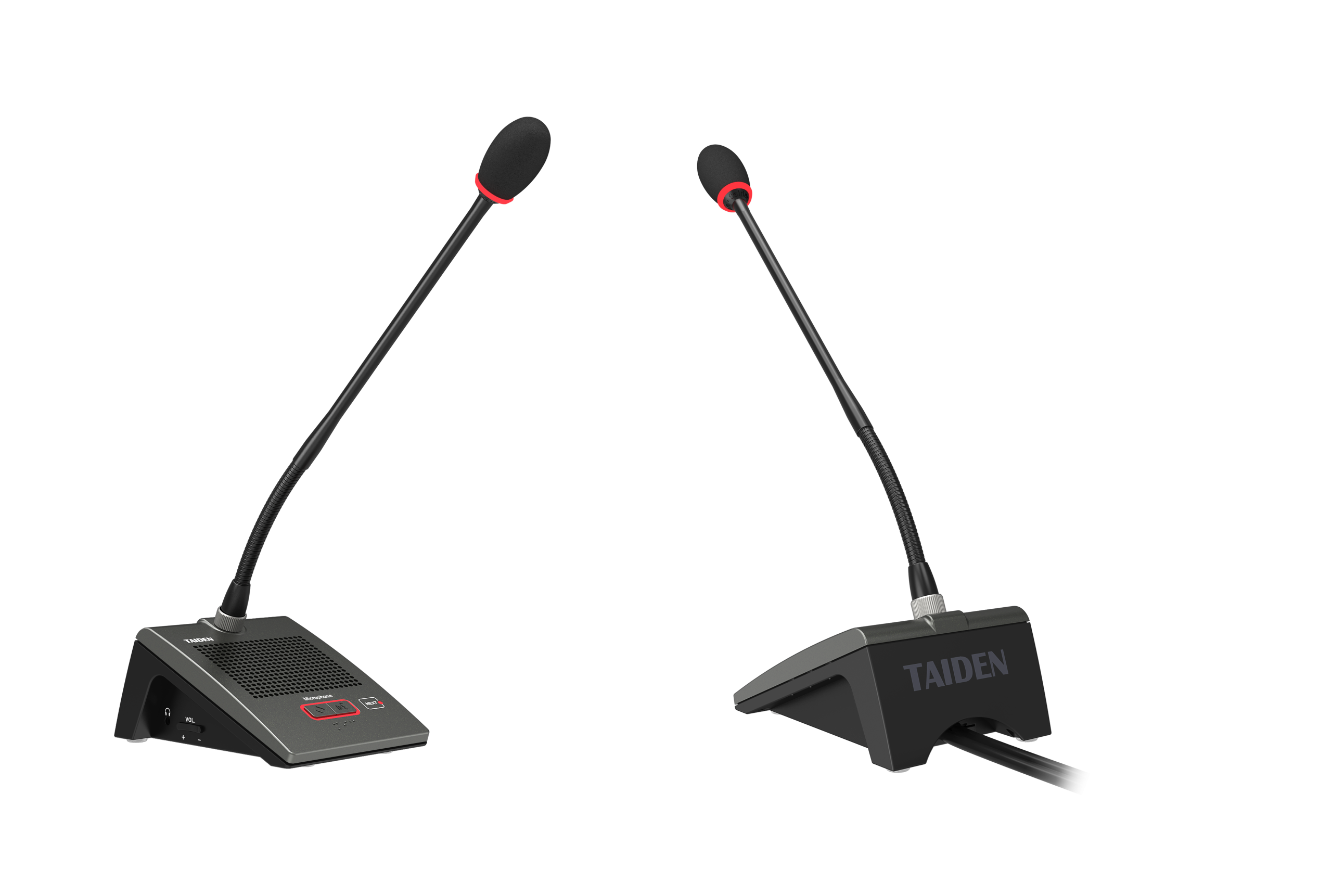
Introduction: The Small-Room Sound Gap You Can Actually Fix
Here’s the honest bit: small rooms don’t need big gear to sound sharp. A conference room speaker and microphone system can be lean and still carry a room, even with remote guests on a Monday stand-up in Cape Town. Picture the scene: six people, a glass wall, one laptop, and a calcified habit of shouting at the screen; the meeting limps along. Data keeps pointing to the same snag—teams say audio issues eat minutes, and minutes cost real money, mos. Some reports peg it north of 60% who have lost time to “Can you hear me?” loops (ja-nee, we’ve all been there). So why do we keep adding more boxes, more cables, and more “pro” settings when the outcomes get worse—or at least no better?

Let’s unpack the mismatch between room size, device count, and actual speech clarity. We’ll compare, not just complain. Then we’ll test if a simpler, smarter path can beat the old-school rack—without heavy training or a resident AV guru.
The Hidden Friction in Traditional Audio Setups
What’s tripping up your room?
Traditional kits promise control, but they bury you in gain staging, cable runs, and guesswork. A ceiling mic here, a floor box there, and a “hot” speaker that feeds the mic—hello feedback. The deeper flaw is design drift: hardware tuned for large halls gets squeezed into a huddle space, so the noise floor rises and people lean in. A compact meeting system flips that script. It brings the DSP close to the source, keeps beamforming tight, and uses acoustic echo cancellation (AEC) that matches the room’s actual reflections. Look, it’s simpler than you think. With a single unit, latency stays predictable, the codec is set for voice, and you dodge the usual cabling spaghetti. Most “fixes” in the old stack pile on more boxes, but each extra box adds failure points—funny how that works, right? If you’ve ever watched a presenter mute three devices just to stop a ring, you’ve seen the hidden pain. The right compact box avoids power converters with PoE, trims setup to minutes, and stabilises talker tracking so you can stop chasing mics and start the meeting.
Principles Behind the Shift—and What Comes Next
What’s Next
Here’s the forward view, plain and practical. New systems anchor the signal path around smart microphone arrays and on-board DSP, not patch bays. Auto-mixers weight voices in real time. Adaptive beamforming narrows the pickup, so the far end hears people, not the projector fan. Edge computing nodes inside the unit handle noise reduction before the cloud ever sees the audio, which slashes artefacts and stabilises packets. Power over Ethernet cuts guesswork and keeps installs clean—one cable, done. If you’re weighing a small room conference solution, compare what happens at the source, not just the app setting. When the mic and speaker live in one tuned chassis, the AEC model is coherent, and the room feels calmer. Less fiddling, better intelligibility. And meetings end on time—imagine that.
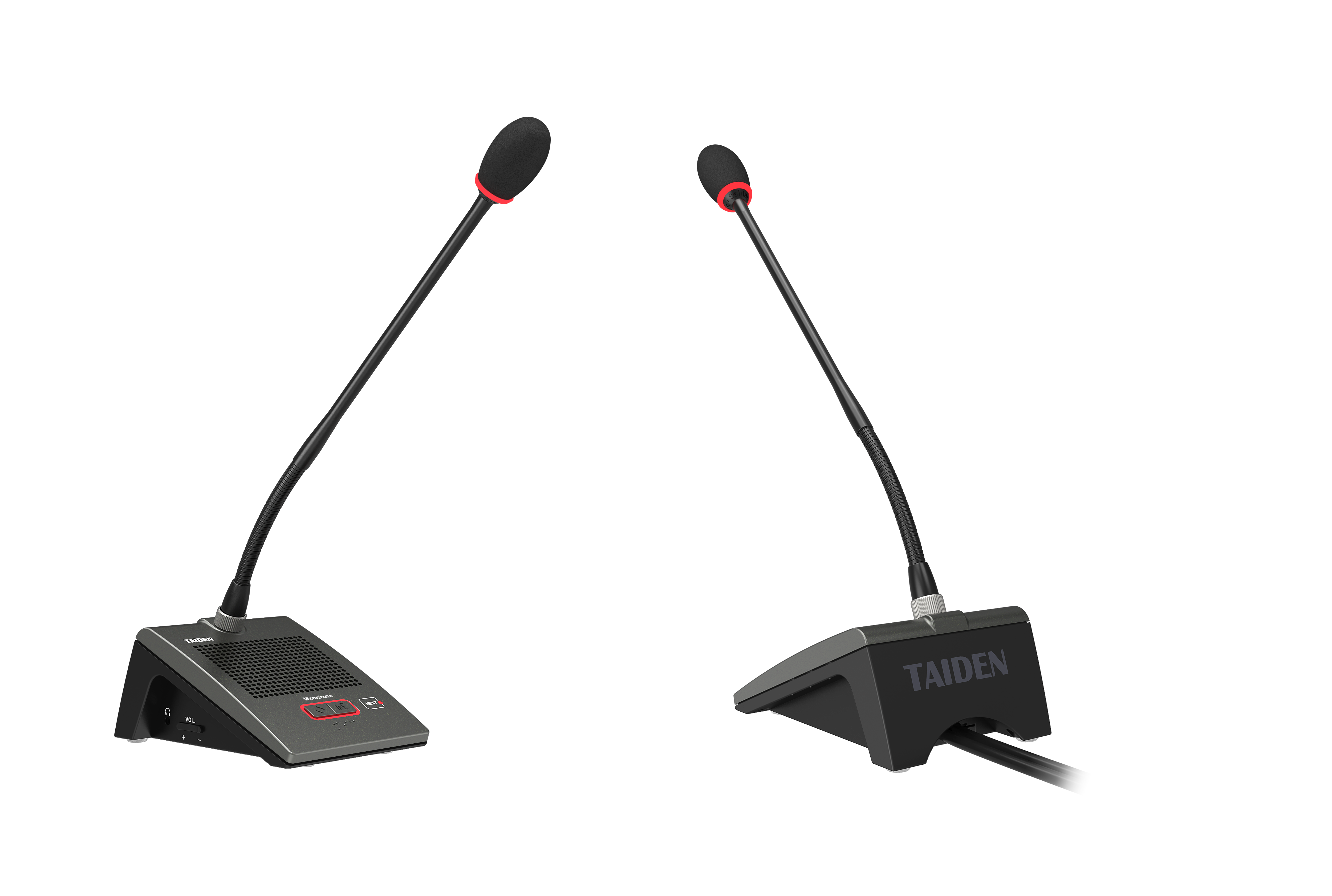
So, what did we learn from the messy stack vs. the tidy box? The old route tries to control chaos with more gear; the modern route reduces chaos with better signal design. That’s the comparative edge. To choose well, use three checks. First, intelligibility: listen for clean consonants at normal speech level, and ask if the system keeps clarity when people overlap. Second, stability under load: does round-trip latency stay low when screens share and people join late? Third, coverage truth: does talker tracking find soft speakers at the edge seats without pumping the room noise? If the answers are “yes, yes, and yes,” you’re sorted—and the team will feel it, even if they can’t name the DSP magic. For brands building toward this future—measured, quiet, and lekker to use—see TAIDEN.