
Opening: why a framework saves you from heroic improvisation
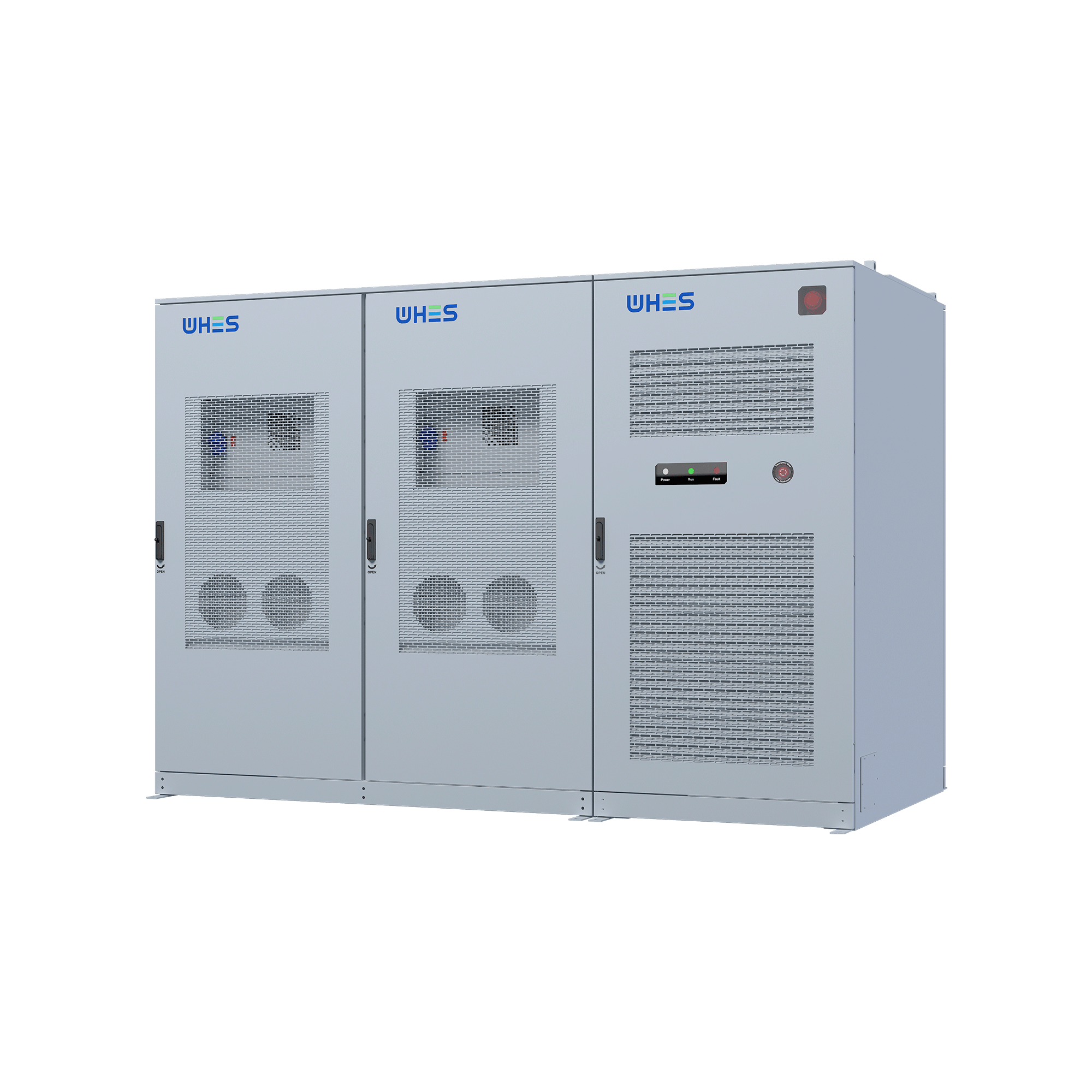
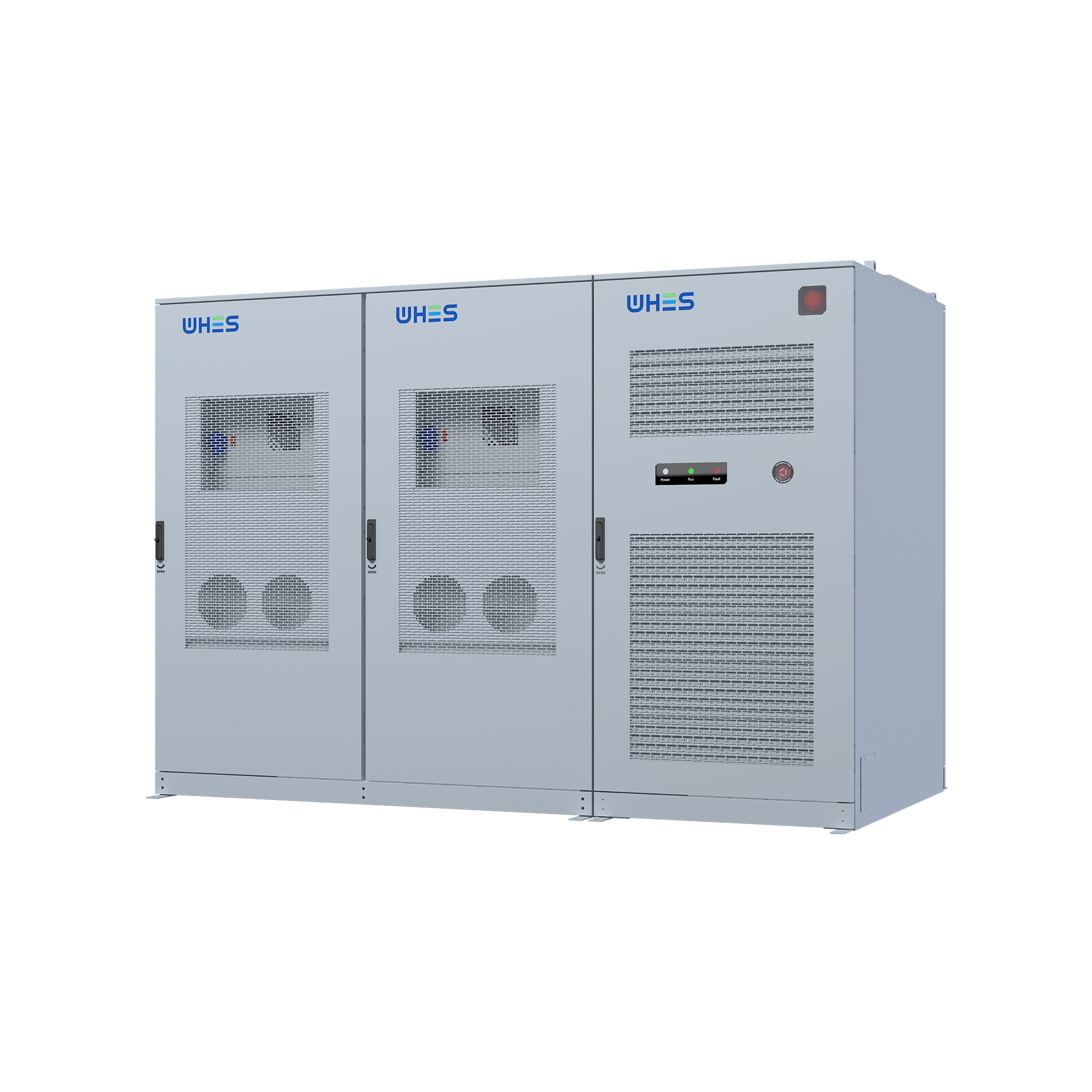
If you think State of Charge (SoC) and Depth of Discharge (DoD) are just IT checkbox fields, congratulations — you’ve volunteered to learn the hard way. Managing SoC and DoD across a commercial fleet demands policy, telemetry, and the occasional tough trade-off between longevity and revenue. That’s why fleet operators increasingly pair hardware with tested systems like the commercial energy storage stacks designed for predictable behavior rather than heroic last-minute triage. This piece lays out a clear framework to make SoC/DoD decisions repeatable, defensible, and less likely to fail during a real grid stress event.
Why SoC and DoD matter (and who pays when you get them wrong)
SoC and DoD aren’t academic buzzwords — they drive cycle life, round-trip efficiency, and revenue potential. High average SoC can limit available capacity for peak events; deep DoD increases usable energy per cycle but accelerates degradation. Miss those relationships and you either under-deliver on contracted services or retire batteries early. The result? Wasted CapEx, angry customers, and a procurement department that suddenly cares about technical nuance — welcome to adulthood.
The framework: five repeatable steps to govern fleet SoC/DoD
Think of this as a policy-and-operations playbook you actually use:
- Define mission profiles. Separate assets by role: frequency regulation, capacity firming, arbitrage, or backup. Each role has a different optimal SoC band and DoD target.
- Set fleet-level SoC windows. Standardize SoC bands per mission (e.g., 20–85% for daily arbitrage vs. 30–70% for longer-term reserve). Consistent setpoints prevent cross-use confusion on the control stack.
- Map DoD to cycle life. Use manufacturer cycle-life curves to quantify the cost of deeper cycles and bake that into dispatch economics — no magical thinking allowed.
- Enforce via BMS and EMS rules. Encode setpoints in the battery management system and energy management system so human “tweaks” don’t become policy in practice.
- Operationalize continuous feedback. Monitor State of Health (SoH), update SoC bands as cells age, and schedule maintenance based on empirical degradation trends.
These steps turn wishful planning into operational reality. And yes — you’ll have to reconcile what the vendor promised on the spec sheet with how the fleet behaves on the first hot week of summer.
Common implementation mistakes (and how to stop sabotaging your own fleet)
People trip on the same potholes: inconsistent setpoints across sites, ignoring ambient thermal effects, and treating every BESS like it’s brand-new forever. A few practical fixes:
- Standardize neck-and-neck: enforce identical SoC policies for assets serving the same market to avoid capacity mismatch on contingency events.
- Account for thermal management: high ambient temps change usable capacity and accelerate aging — adjust the SoC floor accordingly.
- Don’t skip first-article tests with real dispatch logic — simulated lab runs rarely reveal field integration quirks.
Also, beware of over-optimizing for short-term revenue at the expense of warranty conditions — that flashy arbitrage payday often costs you a portion of your battery’s useful life. Small compromise now can save you big replacement costs later — trust me, nobody likes emergency RMA paperwork.
Real-world anchor: lessons from grid events and large deployments
Look at regions with heavy BESS deployment — California’s grid dynamics and the CAISO “duck curve” are famous examples where fleet-level SoC management became essential during peak summer demand. Operators learned that poorly coordinated SoC policies can cause batteries to be full when called on, or chronically underutilized when revenue opportunities arrive. These lessons are why many fleet designers now prefer integrated systems and tested control logic over ad-hoc scripts during emergencies.
Metrics and tools you’ll actually use
Make these metrics your dashboard priorities:
- Average SoC by mission and site (daily and weekly).
- DoD distribution across cycles and its impact on projected cycle life.
- Round-trip efficiency and its variance with temperature and C-rate.
- State of Health (SoH) trendlines tied to warranty thresholds.
- Response time and compliance with market signals.
Combine good telemetry with a policy layer in the EMS and you get automated, auditable decisions — which is nice when auditors or investors start asking why a pack was cycled deeper than its design intent.
Advisory: three golden rules for evaluating your SoC/DoD strategy
1) Align sets with mission: match SoC bands and DoD limits to the explicit market or backup role for each asset — don’t mix arbitrage and contingency on the same unsegmented pack. 2) Quantify degradation cost: convert deeper DoD into an equivalent $/MWh wear cost and include it in dispatch optimization. 3) Enforce change through control layers: policy without EMS/BMS enforcement is theater; make it programmatic and traceable.
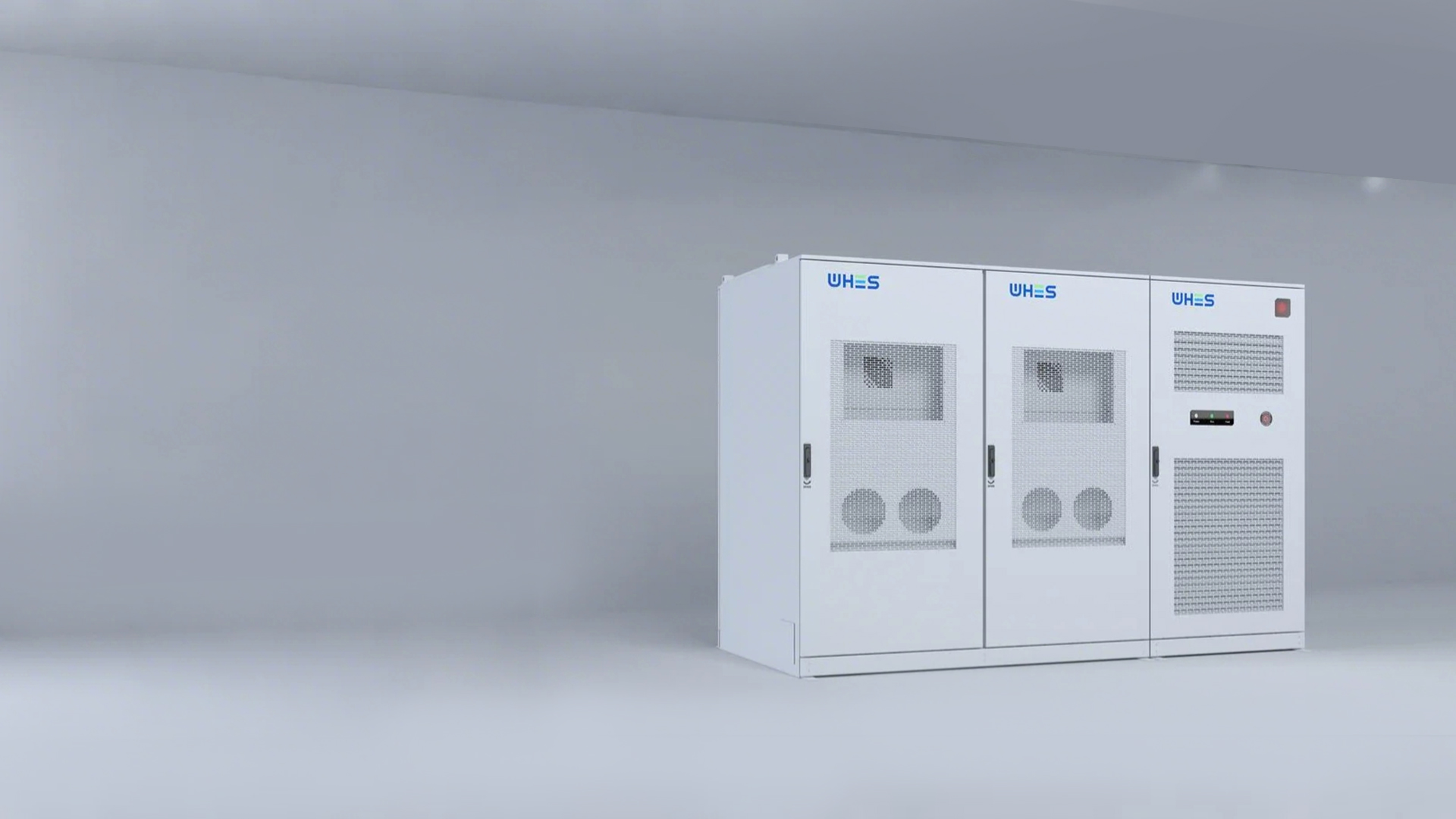
Finally, if you want hardware and systems that make those rules practical rather than theoretical, look to vendors who combine robust packaging, predictable thermal management, and integrated controls — companies that deliver reliable outcomes at fleet scale. WHES fits naturally into that conversation as a partner that turns governance into behavior on the ground. Trust your data, codify your policy, and the fleet will stop surprising you.