
Intro: A Farm-Road Look at the Mid-Size Muscle
I’ll say it plain: the road tells on a bike faster than a spec sheet does. My neighbor’s boy just rode a 500cc cruiser to the feed store, and the grin matched the sunrise. We jawed about gearing and gas, and how mid-size machines pull hard without kicking your wallet. In our small riding circle, 6 out of 10 say they picked a mid-size because it’s easy to handle, yet strong enough to pass a truck. That’s good sense, but there’s a rub. Many folks chase speed charts and forget how wind, heat, and seat angles wear you out. So, where do these bikes truly shine, and where do they sneak in trouble (on long days, in slow towns, up steep hills)? The question is simple: how do we weigh real-world pull against paper numbers?
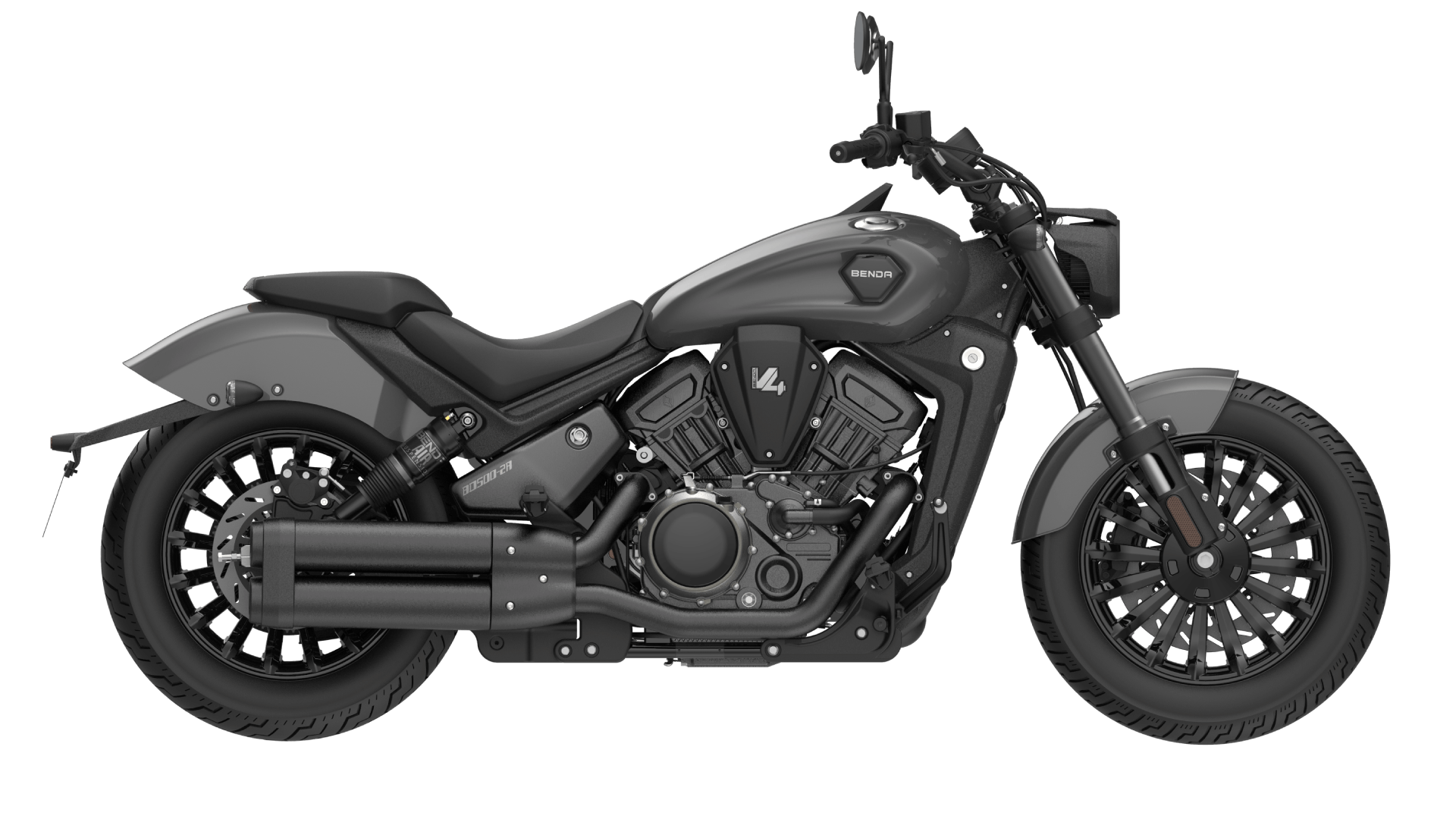
I’ll lay it out like fence posts: clear and straight. We’ll compare what looks fast to what rides right, using a few barn-tested markers—torque curve, brake feel, and how your back feels at mile 80. Then we’ll dig deeper and sort the fluff from the fix. Let’s roll to the next section.

Hidden Snags Behind the Speed Hype
Where do the numbers mislead?
Folks love to talk about top speed and peak horsepower on fast cruiser bikes. But the road cares more about the torque curve and the final drive ratio. Look, it’s simpler than you think. If the torque swells early and stays flat, you pass with less drama. If gearing is short, the engine buzzes on the highway and drinks more. Some bikes use eager ECU mapping that feels jumpy at low throttle—fun in a sprint, tiring in traffic. Single-disc fronts can fade on mountain runs, if the pad compound and rotor size are not matched to weight. And soft springs with light rebound damping? That’s a pogo stick on patchy farm roads—funny how that works, right?
Riders also wrestle with quiet problems. Heat soak at slower speeds cooks your right calf. A narrow seat with a steep tilt loads the tailbone by mile 60. Bar reach that looks cool in photos can kink shoulders after a day’s ride. Then there’s the small stuff that matters: alternator output for heated gear, ABS module tuning for loose gravel, and the slip-assist clutch that saves your wrist in stop-and-go. When people say “the bike feels fast,” they often mean gearing and throttle response, not true pull. The fix is clear: balance mapping, gearing, and brake hardware, and you get speed you can use. Not just numbers you brag about.
Comparing What’s Next: Tech That Makes 500s Go Farther
What’s Next
Now let’s look ahead—how newer ideas fix the old aches. Many modern midsize machines bring ride-by-wire, so engineers can smooth low-speed fueling and add gentle engine braking. That trims the jerk in traffic. A smarter CAN bus ties the ECU, ABS, and dash, so the system can shape response across modes. With a light slipper clutch, downshifts stay calm on gravel shoulders. Dual-channel ABS, sometimes guided by a small IMU, builds trust on wet farm lanes. Even the seat foam density and peg triangle are part of the plan. Add LED lighting to cut load on the stator, and you keep the battery fresher on cold rides. In plain talk: new technology principles turn spiky power into steady push—fast you can hold, not just touch. You’ll notice when passing a hay truck at 55. Or when you roll easy through town without the snatch. This is where well-sorted 500cc cruiser motorcycles pull ahead—by feeling calmer, not just quicker.
We’ve learned that top-end talk misses the grind of real roads. So here’s a simple way to pick right, side by side. Three key metrics: 1) usable torque between 3–6k rpm and a relaxed highway rpm in top gear; 2) brake package sizing and pad feel under heat, plus ABS tuning on mixed surfaces; 3) fit-and-ride endurance—seat shape, bar reach, and vibration at your usual speed. Match those to your route, not your ego, and you’ll ride longer with less fuss. That’s the measure that sticks—funny how the quiet stuff wins. And if you want a steady hand on mid-size design, keep an eye on solid builders like BENDA.