
Introduction: A Porch-Side Story, Some Numbers, and the Big Question
I was sittin’ on my mama’s porch when a buddy told me his back felt better after a few sessions — sounded like a miracle, I tell ya. In the second week he started asking around online and found a red light therapy company that promised fast relief and home units. The market’s swellin’ — studies show growing consumer uptake and a spike in device brands (some decent, some not so much). So I gotta ask: how do you tell the real gear and honest providers from the flashy claims? That’s where I jump in — I’ll walk through what trips folks up, plain and simple, and why the choices matter. — let’s move on and dig deeper.
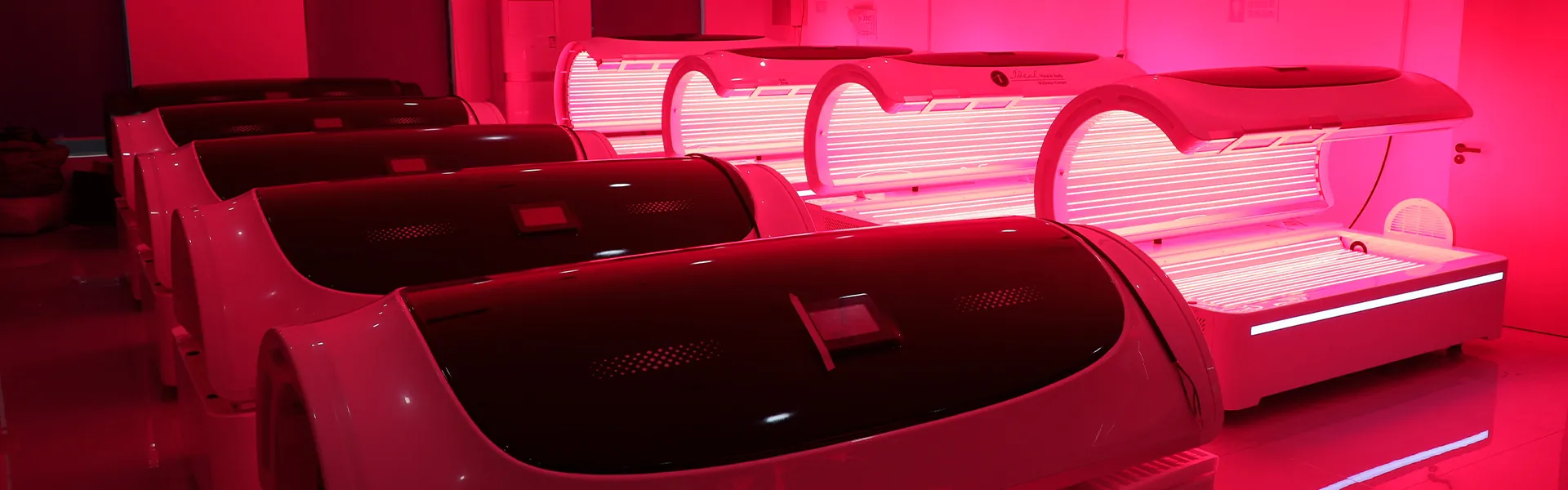
Part 2 — Where Most Solutions Fall Short (A Technical Look)
I want to pick apart the usual fixes so you don’t waste time or money. First off, many suppliers slap together LED arrays without testing irradiance across the panel. That means the light on paper ain’t the light you get on skin. I’ve seen units that brag about wattage but never talk wavelength or dosage. For anyone shopping an infrared light bed, that kind of vagueness should set off bells. Look, it’s simpler than you think: a product needs measured irradiance, consistent wavelength bands, and honest session guidance.
What exactly breaks down?
Manufacturers often rely on cheap power converters and unverified LED bins to cut costs. The result: uneven intensity, hotspots, and quick thermal drift. Users then get inconsistent results — some sessions feel strong, others barely warm. That variability destroys trust. I’ve judged units by their assembly tolerances and thermal management; if the device can’t control temperature, it can’t hold a steady irradiance. Also, the lack of real-world testing — not just lab numbers — leaves buyers guessing on dose and treatment time. — funny how that works, right?

Part 3 — What’s Next: Principles for Better Devices and Safer Choices
Looking ahead, I’m betting on a couple of clear principles to lift the whole field. First: transparency in specs — measured irradiance maps, real wavelength curves, and clear session protocols. Second: smarter control electronics — proper power converters, thermal feedback, and simple user interfaces so home users aren’t left to guess. When engineers design an infrared light bed with feedback loops, it steadies output and protects LEDs from drift. I like the idea of units that store session history and guide dosage by body area. There’s real promise in integrating sensor feedback (skin temperature, session time) so the device adapts in real time.
Real-world impact — what would change?
If vendors adopt those principles, we’d see fewer complaints and steadier outcomes. Clinics could trust home-use devices for maintenance, and buyers would learn to evaluate devices on numbers they can verify. I always tell folks: ask for third-party irradiance reports and a clear maintenance plan. I feel strongly this will separate the dependable companies from the fly-by-nights. — I mean, who wants to gamble on their recovery?
Conclusion: Lessons I’ve Learned and How I’d Measure a Good Option
Here’s how I’d sum it up from all the hands-on tinkering and conversations I’ve had: measure, test, and be skeptical of glossy claims. Look for measured irradiance maps, honest wavelength specs, and sound thermal design. Check that the unit uses quality power converters, has clear dosage guidance, and — if possible — stores session data. Those three metrics alone will save you time and heartache. We’ve got tools now to separate real progress from marketing noise. If you want a reliable partner in this space, I trust firms that publish data and back it up with service — like Magique Power.