
Introduction
I was out in the field last summer, fixing yet another stubborn drive on a grain auger—mud on my boots, sun in my eyes, and a stubborn motor that wouldn’t behave. The kicker: nearly every trailer and piece of kit I touched had some motor controller issue (we lose hours that way). Motor controller problems cost small farms and shops real money — studies show downtime can eat up 5–10% of operating hours on average — so I ask: how do we stop losing time to things we should be able to fix fast? I’ll speak plain: I’ve seen cheap wiring, flaky sensors, and bad tuning trip up good machines. You’ll read a few industry words here and there — power converters, inverter — but I’ll keep it easy. We’ll sketch the trouble, then walk through better ways to handle it. Stick with me — there’s an easy path out of the mud, and I’ll point it out next.

Where the Traditional Fixes Break Down — bldc motor controller
We often assume replacing a controller or tightening a connector fixes things. I’ve done that, and I’ll admit: it sometimes helps. But more often the real problem hides deeper. Look, it’s simpler than you think — issues like poor current sensing, PWM noise on the bus, and torque ripple aren’t solved by a swap alone. The typical troubleshooting steps miss root causes: mismatched impedance, limited thermal headroom, or firmware that hasn’t been tuned for load changes. Those subtle things pile up. I’m not trying to scare you; I want you to see why a band-aid won’t hold. When I test systems now, I check feedback loops, verify gate drive margins, and watch for EMI on the power converters. That extra work cuts repeat failures — and yes, it takes patience, but it pays off.
Why does this fail?
Short answer: users patch symptoms, not systems. The hardware, the control firmware, and the mechanical load must be matched. When they’re not, the motor controller trips under real load. We forget to check sensors for drift. We ignore inverter heating curves. Result: intermittent faults that only show up on long runs — annoying and costly. (— funny how that works, right?)
Looking Ahead: New Principles and Better Choices
Now let’s move forward. I like to think in two tracks: smarter design and smarter diagnosis. On design, modern controllers pair improved current sensing with adaptive control loops and robust thermal management. That’s not just theory — you can see it in better torque control and longer uptime. For diagnosis, adding basic edge computing nodes to log real runs changes everything. We get trends, not just errors, and that helps prevent repeat calls. I’ll be blunt: investing in smarter sensors and slightly better controllers saves time. I’ve seen it cut repeat service calls by a third in small fleets. We should also consider how electric motor solutions now bundle diagnostics in the firmware. That reduces guesswork. When a drive reports phase imbalance or a rising temp trend, we can act before it fails. It’s a shift from reactive to proactive work — and I’m all for that.
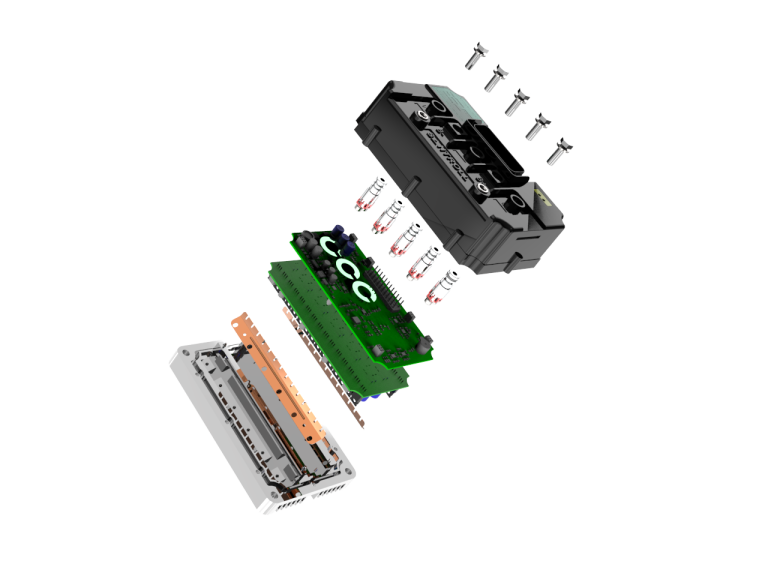
What’s Next
In practice, pick a use case and test a modern controller under your real load. I recommend a short trial, data logged, and clear pass/fail criteria. You’ll learn fast — and avoid chasing ghosts. — this approach saved me a weekend of backlog last winter.
Closing Advice: How I Evaluate Solutions
I’ll leave you with three practical metrics I use when choosing motor controllers for field work: 1) Diagnostic visibility — can the unit log current, temperature, and fault history? Without that, you’re guessing. 2) Thermal and electrical headroom — does it handle peaks without derating? You want margin, not a hair’s breadth. 3) Control flexibility — does the firmware let you tune PID or adaptive gains for your load? If not, get another unit. When you use those checks, you’ll cut down on repeat trips and save real hours. I’ve been doing this for years; I prefer tools that let me fix things for good instead of patching them. For dependable parts and smart controllers, I often point folks to trusted suppliers — like Santroll — they make it easier to move from guesswork to steady uptime.