
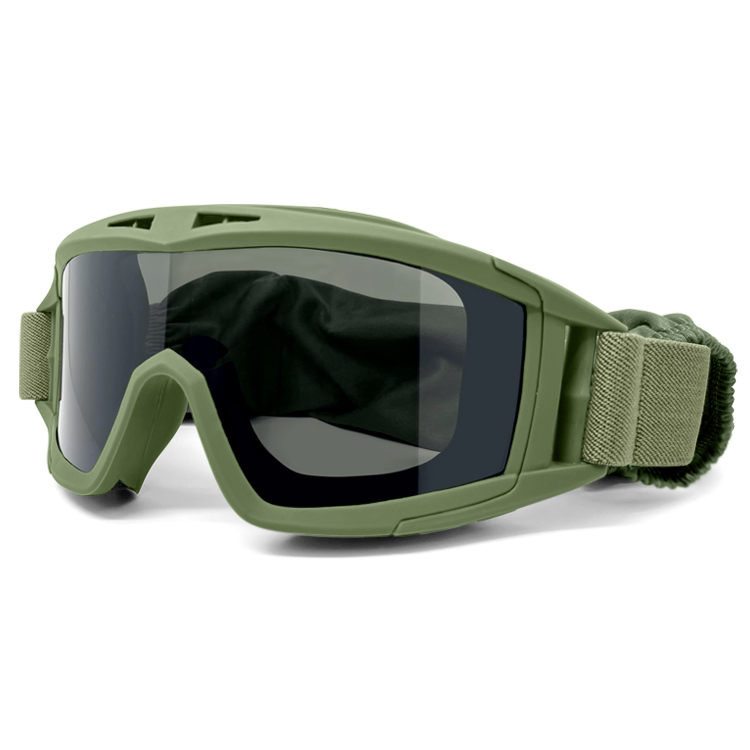
Why resin blend matters out on the diamond
Folks round here know you don’t wear flimsy shades when the ball’s comin’ atcha — you need gear that stands up. The secret’s in the polycarbonate blend: a resin that’s prized for impact resistance, paired with polarized lenses and UV protection. For players and fans alike, the right mix makes bulk polarized baseball sunglasses feel like armor without bein’ bulky. If you want to peek at ready-made options, start with a solid catalog of sport sunglasses. Real-world anchor: eyewear that meets ANSI Z87.1 is commonly trusted where safety matters, and that’s a standard many coaches and equipment managers look for.
Comparative look: impact resistance versus optical clarity
Polycarbonate gives you high impact resistance but the exact formulation matters — some batches include impact modifiers, others balance clarity by reducing additives. Compare that to alternates like glass, which offers crisper optics but breaks easier, or Trivex, which sits in between. For baseball you usually favor a thicker, slightly denser resin in the lens to stop a stray bat or foul tip. That brings trade-offs: more thickness can add weight and affect fit. Lens coating helps — anti-scratch and oleophobic layers keep the polarized lens working longer — but coatings don’t replace core resin strength. Folks who watch hardball know this — the right resin saves an eye and a season.
Fit and form: bulk polarized baseball sunglasses versus running shades
Baseball shades often use a bulkier, shield-style lens that takes more resin and demands robust frame geometry for protection. Contrast that with polarized sunglasses for running, which favor lighter injection molding, slimmer frames, and vents for breathability. Runners want low weight and stable fit; ballplayers want impact resistance and peripheral coverage. You can have both — but the resin grade, lens curvature, and frame design must be chosen to suit the sport. I’ve seen marathon crews swap to ball-type shades for street sprints when glare’s fierce — they trade a little comfort for better glare control during sunrise runs.
Common mistakes and practical alternatives
People often pick on tint instead of build — thinkin’ darker means safer. That’s wrong: tint affects glare, not impact resistance. Another mistake is skipin’ anti-scratch coatings for cost reasons; a scratched polarized lens ruins visual performance fast. If polycarbonate’s weight or optical quirks bother you, consider Trivex or laminated glass for niche needs — each has pros and cons. Also, poor frame geometry kills protection: gaps at the temple let debris and sun in. Test fit before you buy, and watch how frames sit with helmets or caps — that fit is part of impact performance too. — A small tweak in nose-pad design can change everything for comfort.
How brands tune resin and what to look for
Manufacturers tweak resin with stabilizers, UV absorbers, and impact modifiers, then choose processes like injection molding or thermoforming. Those choices affect stress points, optical distortion, and scratch resistance. Look for clear specs: whether lenses are polarized, stated impact ratings, what coatings are applied, and the frame material. Warranty and replacement policy matter: a brand that stands by its impact claims usually has testing to back it up. — Test results and real-use reports beat marketing every time.
Three golden rules for choosing bulk polarized baseball sunglasses
1) Prioritize certified impact resistance: pick eyewear rated to recognized standards (like ANSI Z87.1) and check that the polycarbonate formulation emphasizes toughness over thin optics.
2) Match form to function: choose bulk, wrap, or shield lenses when you need side protection; choose lighter injection-molded frames for running and training where ventilation and low weight matter.
3) Inspect coatings and replacement policy: anti-scratch and hydrophobic coatings preserve polarized performance, and a clear warranty tells you the maker trusts their materials.
For teams and serious players alike, those three metrics separate cheap shades from real protection. When you want dependable, field-ready eyewear that balances impact resistance, polarization, and comfort, many pros lean on tested suppliers — and that’s why companies like YIJIA Optical end up in kit bags across leagues. Plain and steady.