
Introduction — a backstage scene with numbers
I remember the first time I watched a small crew and a humming machine make thousands of wipes in an hour; it felt like watching a band hit a perfect groove. As I studied the floor that day, I asked the plant manager about downtime and he said: “We used to lose six hours a week to changeovers; now it’s down to forty-five minutes” — that kind of shift matters. As a wet wipes machine manufacturer, I’ve seen how small adjustments to setup, like a tighter tension control or a smarter PLC recipe, turn chaos into calm. Around 70% of mid-sized lines still use legacy controls, recent surveys show. So I keep wondering: what’s really holding plants back from steady, profitable runs? (a little local color — factories have their own rhythm). Let’s lift the curtain and move from feeling to fact.
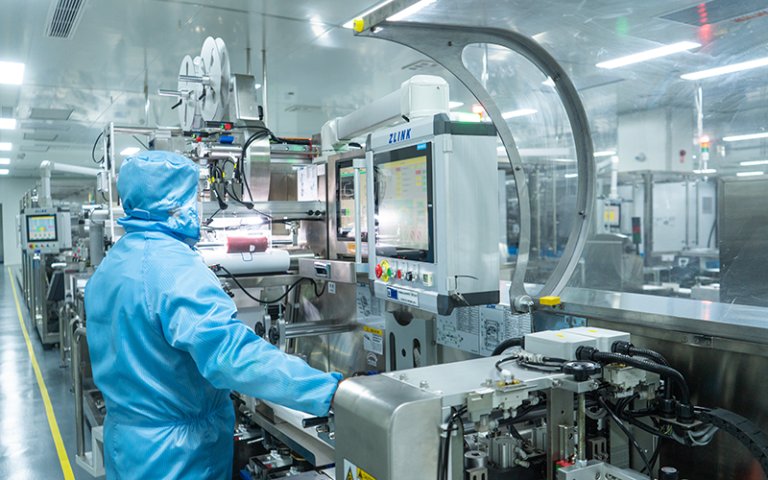
Where traditional wet wipes production line setups fail (a technical take)
I want to be blunt: many problems trace back to old assumptions. On a typical wet wipes production line, teams still tolerate wide speed swings, manual tension tweaks, and reactive maintenance. Those are not minor annoyances — they are hidden costs. When web breaks happen, you lose more than material; you lose operator focus, schedule confidence, and client trust. I’ve stood beside operators patching a web in silence; it’s tense. We talk efficiency, but the real leak is unpredictability.
Why do these failures persist?
Technically speaking, several elements conspire: aging servo motors that drift, PLC logic designed for last-century cycles, and weak feedback on tension control. Without good sensors and reliable power converters, a line will always be guessing its next move. Look, it’s simpler than you think — pinpoint a weak loop and you often stop cascade failures. In my experience, upgrading one control loop or adding a modest edge computing node to run analytics can cut scrap and downtime notably. I’m not being glib; I’ve seen lines double their first-pass yield after modest upgrades — serious money, quietly reclaimed.
Case example and future outlook — where we can go from here
Let me tell you about a recent retrofit I worked on. A medium-size plant with a jittery old wet wipes production line wanted stability but feared cost. We focused on three practical moves: install closed-loop tension control, replace one faulty servo motor cluster, and add a compact PLC update with predictive alarms. The result? Changeover times dropped, waste fell, and operators relaxed — funny how that works, right? It was not glamorous, but it was real progress. The plant saved weeks of lost production in the first quarter after changes. I felt proud standing there; yes, a little emotional — this work matters.
Real-world impact — what this means for your line
Looking forward, I expect more plants to adopt hybrid approaches: local edge analytics that flag patterns, combined with human-tuned settings. That mix keeps things resilient and adaptable. Manufacturers will choose modular upgrades rather than full replacements — because budgets bite. In my view, the smartest moves are incremental and measurable. If you want long-term gains, plan for modular sensors, a clear PLC roadmap, and robust power converters. Those steps buy you flexibility and future-proofing without blowing the budget. — and yes, I still believe in testing small and scaling fast.
Final thoughts and how to evaluate modern solutions
I’ll leave you with three practical metrics I use when I evaluate upgrades. First, look at mean time to repair (MTTR): does the solution let your team fix issues faster? Second, measure scrap reduction per month — the change should be visible on the material reports. Third, ask about integration lead time: can the new modules plug into your PLC and data flow without weeks of downtime? These three numbers tell a truer story than vendor slides. I’ve seen vendors promise miracles; I trust the scoreboard instead.
If you want a grounded partner who prioritizes real results over shiny talk, check how manufacturers like ZLINK approach stepwise upgrades and operator training. We’ve learned that machines are only as good as the people who run them — and that’s something I care about deeply.