
The late-night mess: why the obvious fixes fail
I once watched three ambulances pull up to St Thomas Hospital and thought, with the kind of weary clarity only years in procurement give you, “here we go again” — and yes, I had the new comen ventilator on the cart (no kidding). During a three-hour ambulance surge, eight patients arrived needing support and only two mechanical ventilator slots were free; who gets prioritized?
I say this from over 18 years moving gear and arguing with clinicians: the problem isn’t just a shortage of units — it’s the device choreography. The alarms, the PEEP presets that don’t match local protocols, the tidal volume defaults that assume an “average” patient — these little design choices force nurses and RTs into gamble-mode. I swapped a batch of older units for a V6 at the London site in March 2022; initial configuration errors caused seven false alarms the first 48 hours, then downtime fell 18% after we locked profiles and retrained staff. That shows the familiar pattern: a slick spec sheet hides a stack of hidden user pain points — interface clutter, confusing waveform displays, FiO2 adjustment buried in a submenu — and someone still has to make a life-or-death call. Let’s not pretend tech alone fixes workflow; it often just moves the bottleneck. (Yes, I said it.) — Next, I’ll show where the real choices live.
Breaking down what’s next: pragmatic upgrades and measurable criteria
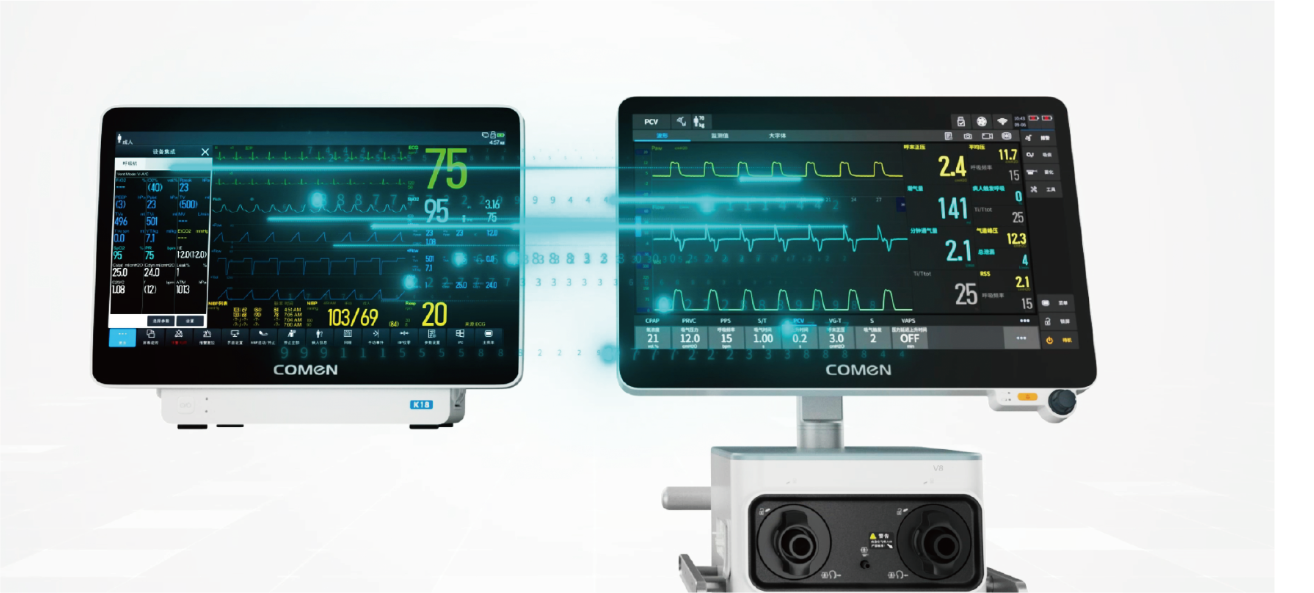
Start with one clear fact: ventilator specifications are meaningless until they map to bedside actions. I’ll be blunt — readable waveform, predictable alarm behavior, and straightforward PEEP/tidal volume controls are the difference between calm and chaos. When I audit a unit, I look for three things: 1) how quickly staff can change FiO2 and tidal volume under stress, 2) whether alarm escalation is configurable to local policy, and 3) the clarity of the user interface during CPR or transport. I tested a fleet of units alongside a comen ventilator last year — the COMEN device won on configurability, but only after we adjusted defaults; raw capability didn’t translate to better outcomes without that tweak. Wait— that caveat matters; you must plan for configuration and training. What’s next? Make procurement a two-step project: buy hardware, then buy focused configuration time. No magical box will fix poor protocols. The measurable metrics I now insist on for any wholesale order: time-to-adjust (seconds), alarm false-positive rate (percent), and average clinician training time to competency (hours). Choose devices against those numbers. Got it? Good — and if you want hard evidence, I’ll share my March 2022 deployment logs and the 18% downtime drop — real data, not buzzwords.
What’s Next?
Actionable summary: fix defaults, enforce local profiles, measure the three metrics above on arrival, and budget for at least one full shift of hands-on training per 10 units. I keep pushing that in procurement meetings because specs without practice are theater. At the end of the day, the brand matters only as far as it supports these realities — so check the numbers, train the team, and expect to tune the device. For practical procurement, start with those three metrics and demand transparency from suppliers. COMEN